

 ADVERTISEMENT
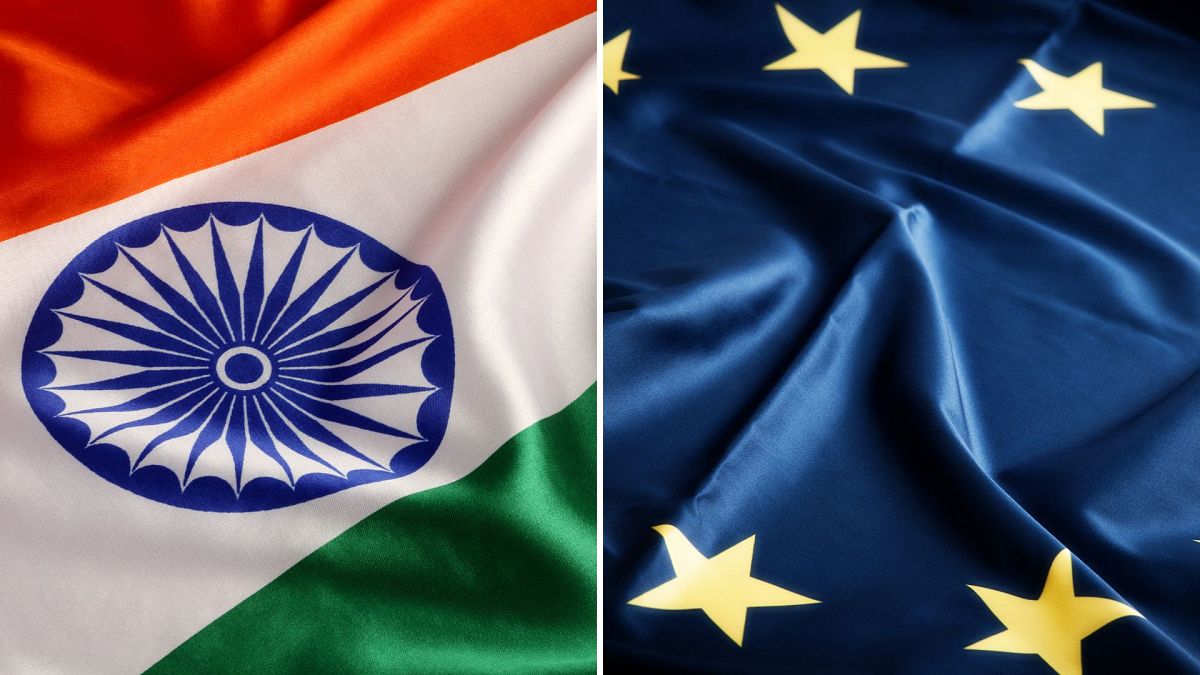
The EU has just made it easier for Indian nationals to travel to Europe.
An update to the Schengen visa rules announced last week opens up multiple entry trips for frequent travellers.
The so-called ‘cascade’ system enables Indian citizens who have used a short-stay Schengen visa twice within the last three years to apply for a two-year multiple entry visa.
This can be followed by a five-year visa, providing their passport has sufficient validity.
Why is the EU making travel easier for Indian nationals?
The new scheme aims to strengthen relations with India as an important partner for the EU, and to secure cooperation on migration policy between the two.
“Travel to Europe made easy!”, EU Ambassador to India Hervé Delphin wrote on X - formerly Twitter - when announcing the visa programme. “The EU takes another step towards enhancing people-to-people contact with India.”
The Schengen visa allows stays of up to 90 days within a 180-day period across 29 European countries. A multiple entry visa, therefore, provides access to the Schengen area for up to 180 days in a year in total without the need to reapply for each visit.
How can Indian nationals get a visa to work in Europe?
The Schengen visa does not grant the right to work, however.
There are various routes to get a work permit in the EU. Some specialists may be eligible for a Blue Card, which allows highly-qualified non-EU citizens to live and work in any EU country - apart from Denmark and Ireland.
Individual EU countries also run their own non-EU work permit schemes, which are often adapted to meet shortages of skilled workers in certain fields.
Germany, for example, has made it easier this year for non-EU citizens to work in the country with reforms to its Skilled Immigration Act.
It removes some of the red tape associated with applying for a work permit and introduces a new ‘chancenkarte’ (opportunity card). The points-based system takes into account qualifications, professional experience, age, German language skills and ties to Germany such as family members in the country.
It particularly targets skilled craftspeople, electrical engineers, IT specialists, carers, nurses, catering and hospitality professionals.
Belgium, too, is seeking foreign workers with skills in specific fields.