

Tanzania wants to expand its tourism offering with the opening of an international golf course this July and by co-hosting the 2027 Africa Cup of Nations. Its aim: to attract new travellers, boost foreign investment and diversify one of the main sources of income for its economy.
 ADVERTISEMENT
ADVERTISEMENT
ADVERTISEMENT
“Tanzania is known as the home of wildlife, but we want to show the world that we are much more than that,” explains Hassan Abbasi, permanent secretary at Tanzania’s Ministry of Natural Resources and Tourism, in an interview with Euronews.
The tourism official says the country is ushering in a new chapter for the sector, with the goal of expanding its offer beyond safaris and attracting a more diverse profile of visitor.
Among the most ambitious projects is the opening this month of an international golf course in the Serengeti, an initiative through which Tanzania hopes to strengthen its position in the luxury tourism segment.
With 18 regulation holes and an area of around 182 hectares in the Fort Ikoma area, a transition zone between Serengeti district and the national park, the golf course allows people to play surrounded by wildlife.
Golfers will share the setting with herbivores and predators while enjoying views over the Serengeti.
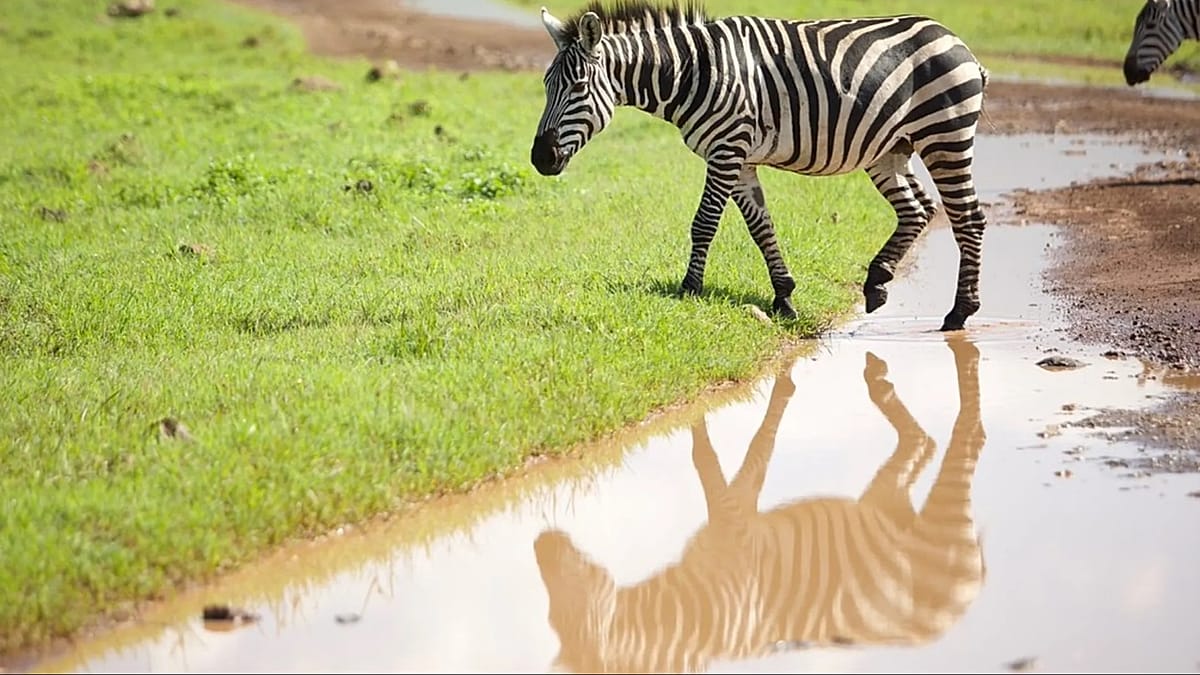
As they hone their swing, players will be able to observe aquatic animals at nearby watering holes, with giraffes, zebras and even cheetahs watching the game from a distance.
“We invite the world to visit our country, but also to invest in it,” says Abbasi, who highlights the opportunities in developing hotels, resorts, leisure activities and tourism infrastructure.
More tourists and more foreign investment
Tourism is one of the country’s main economic engines. According to the Ministry of Tourism, the tourism sector contributes around 17% of GDP and accounts for more than half of Tanzania’s service exports.
In 2025, 2.29 million international tourists visited the country and the goal is to reach 8 million in 2030. After the recovery in international travel, the authorities are now looking to accelerate growth through new tourism products and higher levels of foreign investment.
The golf course symbolises the new direction that Tanzania wants to take. The initiative seeks to complement the traditional safari experience with offerings aimed at high-net-worth travellers and expanding tourism segments.
“The next phase of development is about diversifying the offer,” says Virginia Messina, CEO of the African Travel and Tourism Association (ATTA), who believes that investment in new tourism products “has the potential to generate growth in new markets and visitor segments”.
The government’s strategy is not limited to attracting more tourists. Tanzania also wants to attract international capital to speed up the development of new tourism projects across the country.
The authorities highlight the sector’s growth in recent years, driven by the recovery in international travel and greater visibility for Tanzania in source markets.
Added to this is the improvement in air connectivity, with more frequent flights by international airlines and efforts to attract new routes to destinations such as Dar es Salaam, Zanzibar and the Kilimanjaro region.
The country is also working to promote destinations that remain relatively undiscovered by international tourism. These include the island of Mafia, known for diving with whale sharks; Kilwa Kisiwani, one of the most important historic sites on the Swahili coast; and Olduvai Gorge, regarded as one of the key sites for understanding the origins of humankind.
Sporting events as a global showcase
Tanzania’s tourism transformation will have an important ally in 2027. That year, the country will be one of the hosts of the Africa Cup of Nations (AFCON) alongside Kenya and Uganda, an event that will attract the attention of millions of viewers both within and beyond the continent.
For the authorities, the tournament represents a unique opportunity to show the world how the country is evolving, strengthen its international image and attract new visitors and investors.
The hope is that fans travelling to follow the matches will be able to complement their stay by playing golf, enjoying the beaches of the Indian Ocean or going on safari in some of the most emblematic national parks.
“All of Africa and a large part of the world will be looking towards Tanzania,” says permanent secretary for tourism Hassan Abbasi, convinced that the championship will act as a platform to promote the country’s tourist attractions far beyond traditional safaris.
To drive growth, according to ATTA CEO Virginia Messina, “the careful and responsible distribution and management of this development will be key to maximising the economic benefits of tourism, while ensuring the long-term sustainability of the country’s tourism sector”.
Tanzania hopes that the impact of the tournament will translate into greater international visibility and help consolidate an increasingly diversified offer, able to combine nature, heritage, sport and luxury tourism.
With golf, major sporting events and an opening up to new market segments, Tanzania is trying to redefine its international image. Without turning its back on the safaris that made it famous, the country wants to show that its tourism offer can encompass much more than wildlife.