

 ADVERTISEMENT
As of 1 January 2025, Romania and Bulgaria will officially become full-time members of the Schengen Area, which allows free movement between member states for 450 million citizens.
The two countries have been members of the European Union (EU) since 2007, but as they were not part of the border-free area, travellers were still required to show passports upon entry.
Now, border controls for the two countries will be simplified.
Here’s what travellers to Romania and Bulgaria need to know about the changes.
Schengen membership: A milestone years in the making for Romania and Bulgaria
Back in 2011, the European Commission (EC) determined both eastern European countries were ready to become Shengen members.
Despite the pronouncement, neither were immediately granted entry into the group.
Fellow EU members, including Germany and France, denied their joint candidacy over governance and immigration issues, delaying their Schengen accession year after year. But the opposition gradually eased.
Last year, the Netherlands - one of the last two holdouts - lifted its veto, leaving Austria as the only country still in opposition. They lifted their veto in November, leaving the path free for Romania and Bulgaria to enter.
Despite Austria’s resistance to Romania and Bulgaria’s Schengen membership, the EC lifted air and sea checks earlier this year, signalling bigger changes to come.
Do you need a passport to enter Romania and Bulgaria?
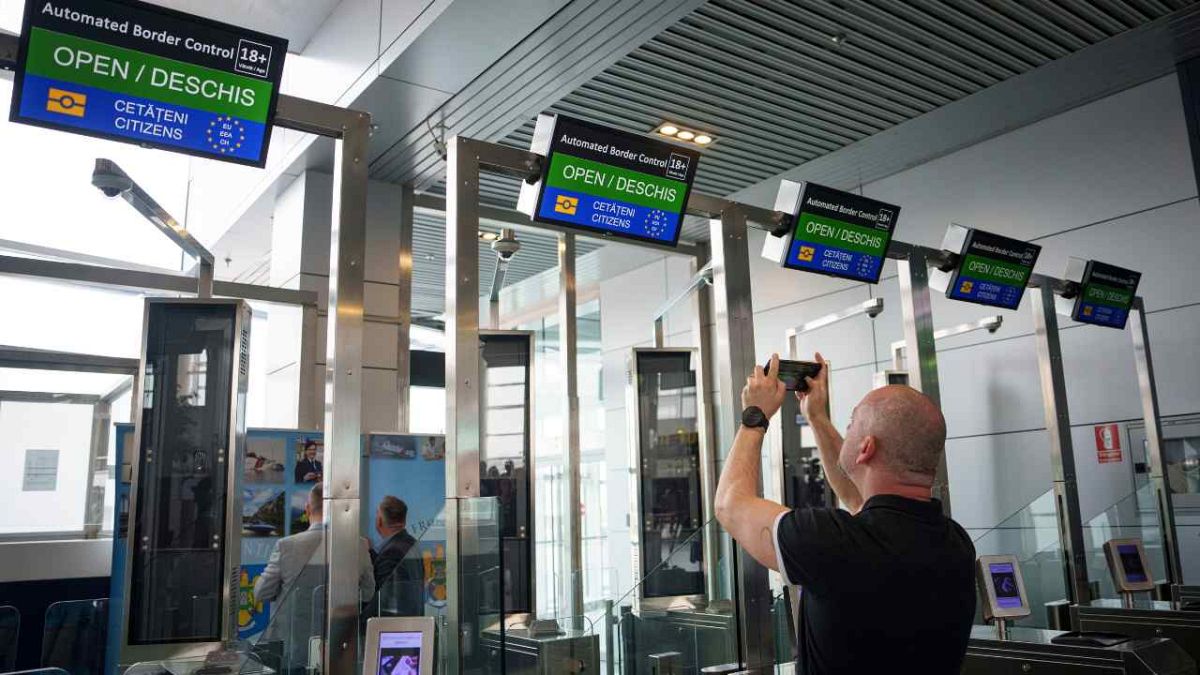
When Romania and Bulgaria join the Schengen zone in the new year, it will be easier for travellers to visit the two countries. At least in principle.
Citizens of Schengen countries do not need to show their passports when flying between countries in the Schengen zone, although not always when travelling by road.
But while Romania and Bulgaria will be fully-fledged members, the EC isn’t ready to pull all border checks yet.
The EC anticipates maintaining checks at land borders between Hungary and Romania and between Romania and Bulgaria for "at least" six months to "prevent any serious threat to public policy and internal security" - a decision likely made to appease Austria.
This means if you are driving or arriving by train or bus into Romania and Bulgaria, you will still need to carry your passport.
Travellers arriving by air or sea from other Schengen countries will no longer have to show passports upon arrival, however.
ADVERTISEMENTMeaning, passengers on flights, cruises and ferries will not be subject to passport checks.
Which European countries can you enter without a passport?
Travellers without EU citizenship should remember that stays in Bulgaria and Romania count towards time spent in the Schengen zone, which cannot be longer than 90 total days within 180 days.
If a traveller spends 30 days in Bulgaria or Romania and enters another Schengen country such as Greece, for example, those 30 days will count toward the 90-day maximum stay in the Schengen Area.
Exceeding this limit can result in penalties, including fines or bans on re-entry.
ADVERTISEMENTHow many countries are in the Schengen Zone?
The latest country to join the Schengen zone was Croatia in 2022.
Every year, 1.25 billion trips take place within this area and 3.5 million people cross the borders of its member countries every day.
Now, including Romania and Bulgaria, the Schengen zone comprises 29 states. 25 belong to the EU and four are associated states of the European Free Trade Association: Norway, Iceland, Switzerland and Liechtenstein.
The Schengen Area was created in 1995 following the signing of the Schengen Agreement 10 years earlier between five member states of the European Economic Community: Germany, Belgium, France, Luxembourg and the Netherlands.
ADVERTISEMENTSeveral other agreements followed until the 2007 enlargement, integrating nine additional countries into the free movement area.