

 ADVERTISEMENT
Portugal generated an ‘historic’ 95 per cent of its electricity from renewables in April, according to the network operator REN.
Renewable energy generation averaged just below that for the first four months of the year, covering 91 per cent of the nation’s power needs.
It’s one national good news story within a great continental shift: fossil fuels provided less than a quarter of the EU’s energy for the first time ever last month.
Ember, the clean think tank behind that assessment, also found that more than 30 per cent of the world’s electricity is now generated using renewables.
“Solar in particular is accelerating faster than anyone thought possible,” Ember’s director of global insights, Dave Jones told us.
Which renewables are providing the most power in Portugal?
Solar might not have been the star of the show in REN’s new stock take.
A third of the way through the year, the renewable made up 7 per cent of Portugal’s electricity mix, behind wind at 30 per cent and hydroelectric plants at 48 per cent.
However, “the solar component continues to grow substantially,” REN says. April saw the “highest monthly significance ever recorded” for solar - when it covered 10.5 per cent of the country’s electricity consumption.
Fossil gas met just 9 per cent of demand in the first four months of 2024, with gas consumption in the power sector halving compared to the same period in 2023.
Remarkably, the 94.9 per cent share of the electricity mix that renewables covered in April isn’t a national record. That was set 46 years ago in May 1978, when they peaked at 95.4 per cent. REN has been contacted for more information about this historical record.
Why is Portugal a clean energy leader in Europe?
Portugal has made some huge strides in renewable power, up from 27 per cent in 2005 and 54 per cent in 2017.
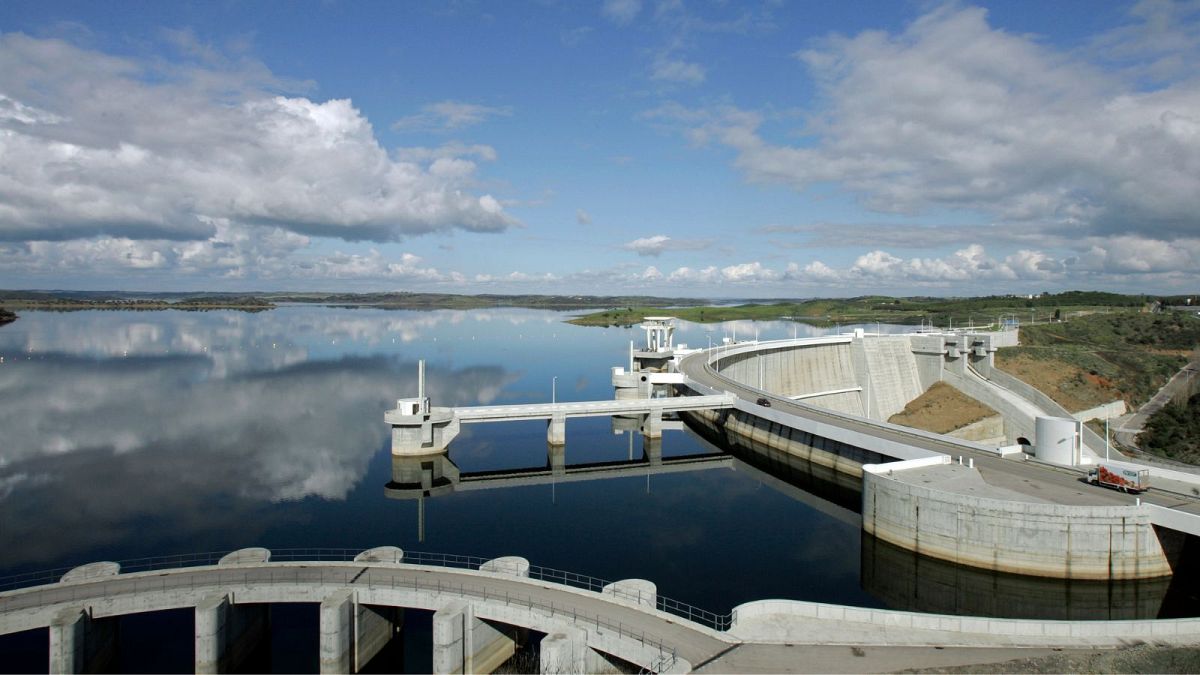
It has got serious about decarbonisation in a variety of ways, from phasing out coal-fired generation in 2021, to boosting its large hydropower fleet with added storage capacity.
And since 2019, the state’s renewable energy auctions have been increasing utility-scale projects, with clear guidance for green companies.
All this has laid the ground for some milestone moments. For six consecutive days last autumn, for example, renewable energy production actually exceeded the country’s electricity needs.
Portugal had the third highest share of wind energy in its electricity mix last year at 29 per cent, behind Ireland (36 per cent) and Denmark (58 per cent).
But, as elsewhere, it’s no good a renewable leader resting on its laurels. Ember’s new European Electricity Review report notes that Portugal has still not moved past the peak in wind generation it achieved in 2019.
This is despite its updated National Energy and Climate Plan assuming a “swift doubling” of current wind capacity, from 5 GW in 2022 to 12 GW in 2030.