

 ADVERTISEMENT
The US Centers for Disease Control and Prevention (CDC) has issued a warning about the rise in Oropouche virus disease cases in the Americas, with cases also reported in Europe.
In June and July of this year, 19 cases of Oropouche virus disease, also referred to as "sloth fever," were reported for the first time in European countries.
All of the travellers who returned to Europe with symptoms had been to Cuba or Brazil.
Read on for what travellers need to know about this deadly disease and how to stay safe.
Where are travellers catching Oropuche virus?
Beginning late last year, the virus was identified as the cause of large outbreaks in Amazon regions where it was known to exist, as well as in new areas in South America and the Caribbean.
About 8,000 locally acquired cases have been reported in Bolivia, Brazil, Colombia, Cuba, and Peru.
As of August, 19 cases have been reported in European countries: 12 in Spain, five in Italy and two in Germany. Eighteen of the cases had travelled to Cuba and one to Brazil, according to the European Centre for Disease Prevention and Control.
What is Oropouche virus?
Oropouche is a virus that is native to forested tropical areas. It was first identified in 1955 in a 24-year-old forest worker on the island of Trinidad, and was named for a nearby village and wetlands.
It has sometimes been called sloth fever because scientists first investigating the virus found it in a three-toed sloth, and believed sloths were important in its spread between insects and animals.
The symptoms of Oropouche are similar to those of dengue, Zika and malaria.
What are the symptoms and treatments for Oropouche?
Symptoms can seem similar to other tropical diseases like dengue, Zika or malaria.
After an incubation period of 3–10 days, patients typically experience abrupt onset of fever, chills, headache, myalgia, and arthralgia. Other symptoms might include retroorbital pain, photophobia, vomiting, diarrhea, fatigue, maculopapular rash, conjunctival injection, and abdominal pain, according to the CDC.
Most people recover from Oropouche though some suffer recurring symptoms, and one in 20 can suffer more severe symptoms like bleeding, meningitis and encephalitis. It is rarely fatal, though there are recent reports of deaths in two healthy young people in Brazil.
There are no vaccines to prevent infections and no medicines currently available to treat the symptoms.
Who is most at risk from Oropouche?
In Brazil, officials are investigating reports that infections might be passed on from a pregnant woman to a fetus - a potentially frightening echo of what was seen during Zika outbreaks nearly a decade ago.
ADVERTISEMENTThe CDC has recommended that pregnant women avoid non-essential travel to Cuba and suggested all travelers take steps to prevent bug bites, such as using insect repellents and wearing long-sleeved shirts and long trousers.
How does Oropouche virus spread?
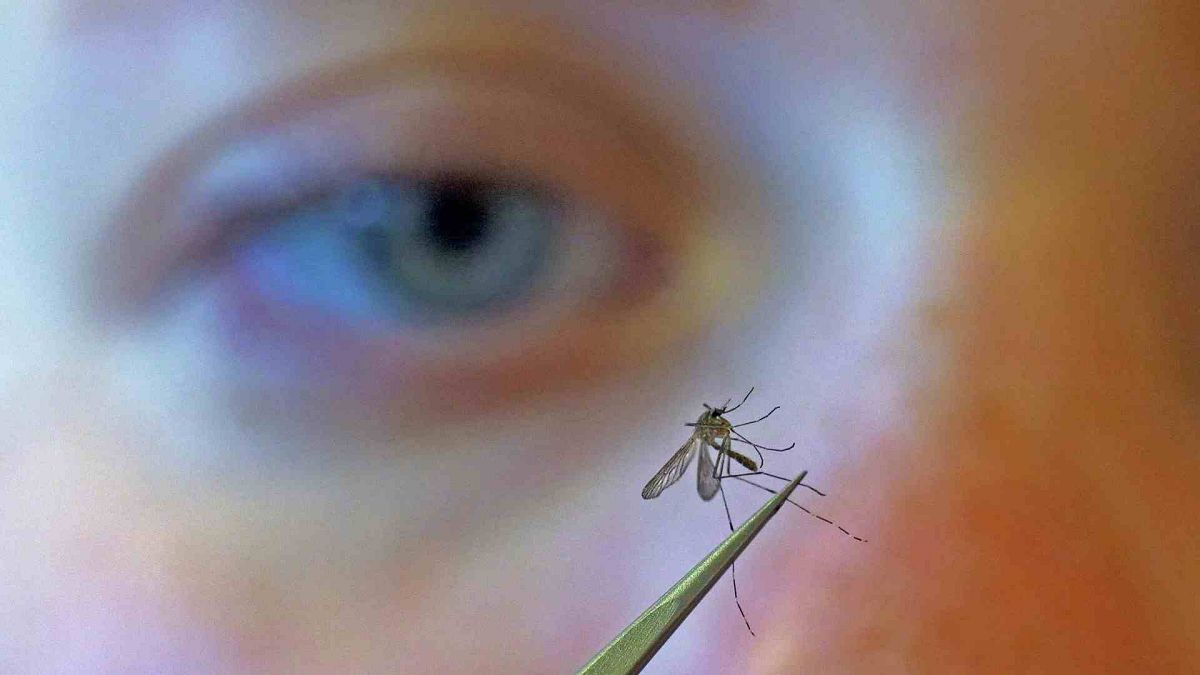
The virus is spread to humans by small biting flies called midges, and by some types of mosquitoes. Humans have become infected while visiting forested areas and are believed to be responsible for helping the virus make its way to towns and cities, but person-to-person transmission hasn't been documented.
How many cases have there been?
19 cases have been found in Europe, though this is nothing compared to the 8,000 identified cases in the Americas.
21 people returning to the US from Cuba have been infected with the virus - 20 were in Florida and one was in New York. They had all been to Cuba
ADVERTISEMENT