

 ADVERTISEMENT
If you have been to Rio de Janeiro’ beaches, this probably sounds familiar: samba music drifting from a nearby kiosk, caipirinha cocktails sold by hawkers, chairs sprawled across the sand.
Now that may become harder to find, unless the vendors have the right permits.
Mayor Eduardo Paes issued a decree in mid-May establishing new rules for the city’s waterfront saying he wants to preserve urban order, public safety and the environment, as well as promote peaceful relations between tourists and residents.
The new measures are due to come into force on 1 June, and they outlaw food and drink sales, chair rentals, loudspeakers and even live music in kiosks without official permits.
Beach huts will only be allowed to have a number rather than the often-creative names many are currently known by.
Vendors say crackdown 'silences the soul' of Rio's beach culture
Some have welcomed the move to tackle what they perceive as chaotic activity on the beach, but others say the decree threatens Rio’s dynamic beach culture and the livelihoods of many musicians and local vendors who may find it difficult or impossible to get permits.
The move to regulate music on Rio’s beachfronts has struck a particular nerve.
“It’s difficult to imagine Rio de Janeiro without bossa nova, without samba on the beach,” said Julio Trindade, who works as a DJ in the kiosks. “While the world sings the Girl from Ipanema, we won’t be able to play it on the beach.”
The restrictions on music amounts to “silencing the soul of the waterfront. It compromises the spirit of a democratic, musical, vibrant, and authentic Rio,” Orla Rio, a concessionaire who manages more than 300 kiosks, said in a statement.
Can the new rules be stopped or changed?
Some are seeking ways to stop the implementation of the decree or at least modify it to allow live music without a permit. But so far to little avail.
The nonprofit Brazilian Institute of Citizenship, which defends social and consumer rights, filed a lawsuit last week requesting the suspension of the articles restricting live music, claiming that the measure compromises the free exercise of economic activity.
A judge ruled that the group is not a legitimate party to present a complaint, and the nonprofit is appealing the decision.
Last week, Rio’s municipal assembly discussed a bill that aims to regulate the use of the coastline, including beaches and boardwalks. It backs some aspects of the decree such as restricting amplified music on the sand but not the requirement that kiosks have permits for live musicians.
The proposal still needs to formally be voted on, and it's not clear if that will happen before 1 June.
If approved, the bill will take precedence over the decree.
Economic activity on Rio’s beaches, excluding kiosks, bars and restaurants, generates an estimated 4 billion reais (around €621 million) annually, according to a 2022 report by Rio’s City Hall.
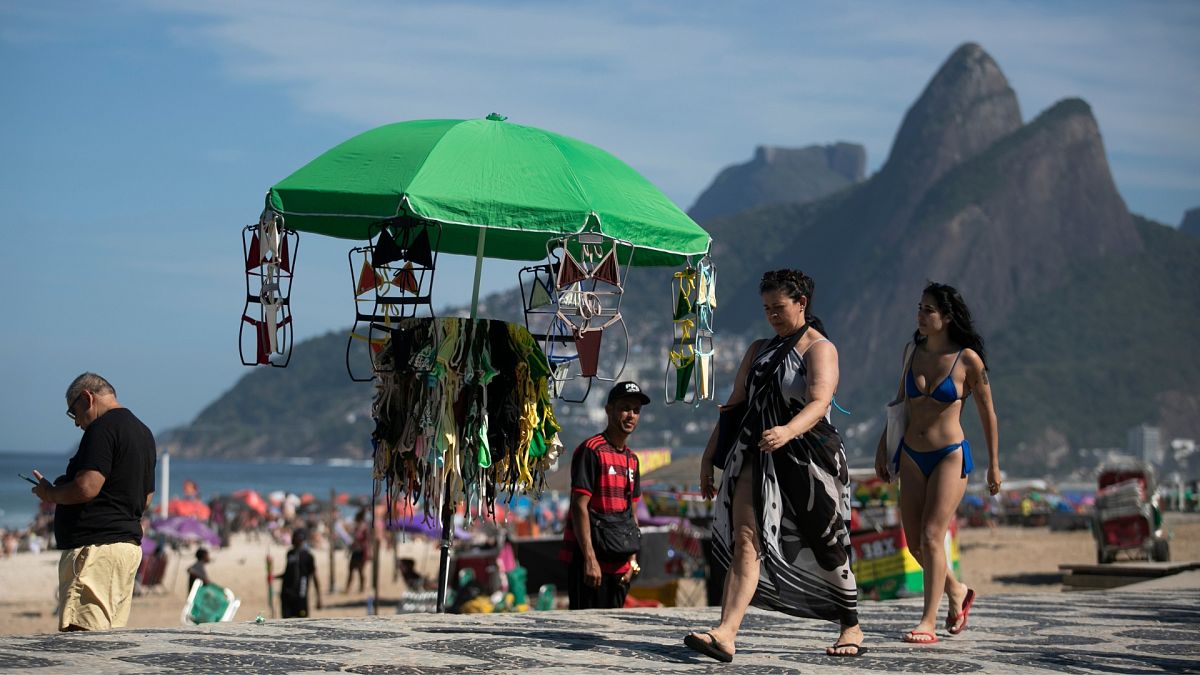
Millions of foreigners and locals hit Rio’s beaches every year and many indulge in sweet corn, grilled cheese or even a bikini or electronic devices sold by vendors on the sprawling sands.
Local councilwoman Dani Balbi lashed out against the bill on social media.
“What’s the point of holding big events with international artists and neglecting the people who create culture every day in the city?” she said last week on Instagram, in reference to the huge concerts by Lady Gaga earlier this month and Madonna last year.
“Forcing stallholders to remove the name of their businesses and replace it with numbers compromises the brand identity and the loyalty of customers, who use that location as a reference,” Balbi added.
Anger, fear and sadness from vendors
News of the decree seeking to crack down on unregistered hawkers provoked ripples of anger and fear among peddlers.
“It’s tragic,” said Juan Marcos, a 24-year-old who sells prawns on sticks on Copacabana beach and lives in a nearby favela, or low-income urban community. “We rush around madly, all to bring a little income into the house. What are we going to do now?”
City Hall doesn’t give enough permits to hawkers on the beach, said Maria de Lourdes do Carmo, 50, who heads the United Street Vendors’ Movement — known by its acronym MUCA.
“We need authorisations, but they’re not given,” said Lourdes do Carmo, who is known as Maria of the Street Vendors. The city government did not respond to a request for the number of authorisations given last year.
Following the outcry, the city government emphasised that some rules were already in place in a 21 May statement. The town hall added that it is talking to all affected parties to understand their demands and is considering adjustments.
Maria Lucia Silva, a 65-year-old resident of Copacabana who was walking back from the seafront with a pink beach chair under her arm, said she had been expecting City Hall to act.
“Copacabana is a neighbourhood for elderly people (… ). Nobody pays a very high property tax or absurd rents to have such a huge mess,” Silva said, slamming the noise and pollution on the beach.
For Rebecca Thompson, 53, who hails from Wales and was visiting Rio again after a five-week trip last year, the frenzy is part of the charm.
“There’s vibrancy, there’s energy. For me, there’s always been a strong sense of community and acceptance. I think it would be very sad if that were to go,” she said.