

 ADVERTISEMENT
Screen tourism has become a global phenomenon, inspiring wanderlust through the magic of movies and television.
As modern productions grow more cinematic and immersive, they blur the lines between fiction and travel, inspiring fans to explore the destinations they see on screen.
Gladiator II, the highly anticipated sequel to Ridley Scott’s 2000 classic, brings this phenomenon to life.
Starring Paul Mescal and Denzel Washington, the film has reignited interest in Malta, where much of the production took place, and showcases the island's historic architecture against a backdrop of cinematic spectacle.
While this archipelago in the central Mediterranean Sea is already a draw for filmenthusiasts, visitor numbers are expected to surge as fans flock to experience the locations featured in the new blockbuster movie.
Forget jet setting: think set-jetting and travel to your favourite film location
In recent years, screen tourism - or set-jetting - has emerged as one of the fastest-growing trends in the travel industry.
This is an area of tourism that’s seen exponential growth in the last ten years," says Seren Welch, a screen tourism specialist.
The data also supports this: Expedia’s trends research in 2023 showed that 40 per cent of trips that were booked on their platform were influenced by film or TV shows.
Streaming platform giants like Netflix have further accelerated this trend thanks to their global reach. Viewers now witness a wider range of epic landscapes and historic locations, sparking curiosity and inspiring travel to film locations.
“[Netflix’s] subscribers were 2.4 times more likely to put a destination at the top of their travel list after seeing it in a show… something a tourist board can only dream of," says Welch about the streaming platform’s 2022 findings.
"Platforms can even track destination search spikes exactly when a new show drops...as seen with ‘Emily in Paris’ and ‘Bridgerton’," she adds.
This connection between storytelling and real-world exploration demonstrates the emotional pull of dreamy filming locations.
Audiences now want to physically step into the worlds they see on screen, as Gladiator II star Pedro Pascal observes, “location is everything when it comes to telling a story”.
Welch agrees: “The instantaneous process of watching a program on your preferred streaming platform has sped up the connection between ‘I love to watch’ to ‘I want to visit.’
Gladiator II is poised to be a transformative moment for Malta, offering the island a chance to solidify its status as a premier screen tourism destination.
ADVERTISEMENTMalta was transformed into ancient Rome’s cinematic double
Ridley Scott’s choice of Malta as a primary filming location for Gladiator II is both a tribute to the original film and a practical decision. With its historical architecture and strategic Mediterranean location, Malta effortlessly doubles as ancient Rome.
“Malta is a character,” remarks Denzel Washington, who stars as Macrinus in the sequel. In a Screen Malta video, he adds, “You can feel the history here; it was the perfect place to shoot.”
This island, already a Hollywood favourite, has appeared in epics like Troy, Agora, and Napoleon. Yet the scale of Gladiator II is unparalleled.
Fort Ricasoli, a 17th-century bastioned fortress built by the Knights of St. John, is at the heart of the ambitious production.
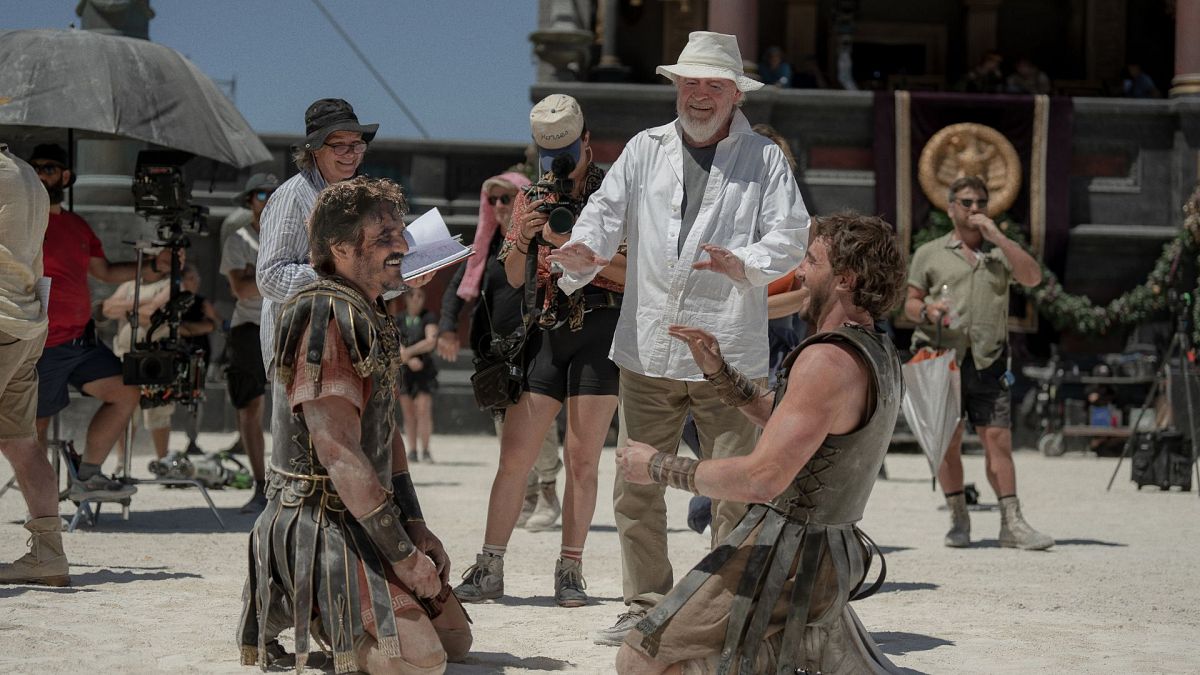
ADVERTISEMENTKnown for its sweeping views and historic charm, the fort was transformed into a massive Roman amphitheatre, complete with a life-size reconstruction of the colosseum. This set became the stage for one of the film’s most intense moments: Paul Mescal’s battle against a CGI rhinoceros.
Ridley Scott recalled Mescal’s reaction to the gigantic set in an interview with GQ: “He [Mescal] nearly died. He didn’t realise it was going to be so big.”
The challenge of recreating such an iconic structure fell to production designer Arthur Max, who told CN Traveller: “We wanted it [the Colosseum] to be familiar for the people who loved ‘Gladiator’ and identified with it. But we also wanted to boost the scale.”
The result was an epic structure spanning the size of a football field, further enhanced by CGI to capture the grandeur of ancient Rome.
ADVERTISEMENTThis ambitious transformation of Malta’s historic sites into cinematic landmarks underscores the island’s natural beauty and its ability to merge heritage and Hollywood in a truly spectacular fashion.
Set-jetting plays a huge role in a destination’s culture and economy
Blockbuster productions do more than create cinematic magic - they generate economic ripples that can transform a region.
"Productions like ‘Gladiator’ and ‘Game of Thrones’ have boosted Malta’s visibility, attracting fans worldwide," says Tolene Van Der Merwe, the UK & Ireland director for Visit Malta.
"We expect Gladiator II to shine that global spotlight on our island and increase our inbound visitor numbers.”
ADVERTISEMENTThe numbers tell a compelling story in many other destinations, too.
According to a VisitBritain report, ‘Bridgerton’ boosted the UK economy by an impressive £275 million, with £5 million (€6 million) directly benefiting the city of Bath.
Similarly, HBO's smash series ‘Game of Thrones’ transformed tourism in Northern Ireland, sparking a surge in visitors and the creation of attractions such as the Game of Thrones Studio Tour.
For Malta, ‘Gladiator II’ offers more than a short-term boost in visitor numbers: it is a powerful platform to showcase the island’s unique heritage to a global audience.
ADVERTISEMENTFilm locations such as Fort Ricasoli, Valletta’s Grand Harbour, and Mdina are all open to the public and feature in guided tours.
These tours provide visitors and film fans with an immersive journey through the cinematic and historical significance of Malta’s most renowned sites.
Popular filming locations need to stay ahead of blockbuster success
While screen tourism offers undeniable benefits, destinations must tackle challenges like overcrowding and environmental strain that can result from a surprise surge in visitor numbers.
Unchecked visitor numbers can overwhelm residents and infrastructure, explains Welch, and requires sustainable planning: “Strategic, manageable products developed with local communities are key to preventing overtourism”.
ADVERTISEMENT“Communities can feel overrun, dealing with high numbers of visitors with little to no service support,” Welch warns, if there's no strategy in place. She cites examples like the strain on UK locations that featured in ‘Paddington Bear’ and ‘Harry Potter’.
However, she also points to innovative solutions like the SetJetters app, which allows fans to virtually place themselves in their favourite scenes, reducing physical crowds at sensitive sites.
Malta, however, is ahead of the curve.
“Malta…has an established working relationship between its tourism body and its film commission,” Welch explains.
ADVERTISEMENTBy building on the fan base and affection held for the first ‘Gladiator’ film, Malta has positioned itself as a leader in managing screen tourism.
Van der Merwe also acknowledges the potential risks of mass tourism:
“While increased visitation is a positive outcome, overtourism at specific sites like Mdina and Valletta is a concern, and we’re working on sustainable tourism initiatives to address this.”
She explains that timed entry to Malta's popular locations and alternative visitor routes can help preserve these sites while ensuring a seamless experience for guests.
ADVERTISEMENTThe cinematic future of Malta is promising
‘Gladiator II’ has reignited Malta’s cinematic prominence, showcasing its rich history and culture through Ridley Scott’s lens. This is a transformative opportunity, Van der Merwe believes, as “hosting major productions like ‘Gladiator II’ boosts Malta’s global profile, fosters long-term tourism growth, and strengthens the economy”.
By investing in sustainable screen tourism practices and leveraging interest, Malta could become a perennial destination for moviegoers seeking to step into the world of ‘Gladiator’.
What’s more, this Mediterranean island could just thrive as a star in its own right.
Director Ridley Scott declared in a Screen Malta video, “I love the atmosphere of Malta. I love the feeling of life in Malta, it’s constantly alive”.
ADVERTISEMENT