

 ADVERTISEMENT
Japan’s ancient capital of Kyoto has long been a popular destination for tourists - but now it’s fighting back against overtourism.
The city has announced it’s closing off some private-property alleys in its famous geisha district because of complaints about misbehaving visitors.
Local district official Isokazu Ota says tourists crowd the narrow, quaint streets of the Gion area, often following tour guides around.
“We are going to put up signs in April that tell tourists to stay out of our private streets,” he told news agency The Associated Press.
The sign, in both Japanese and English, will read: “This is a private road, so you are not allowed to drive through it.”
However, the keep-out warning is aimed mainly at pedestrians, not cars, as the Japanese wording refers to generically “passing through”.
“There will be a fine of 10,000 yen,” the sign adds - which comes to about €62 under recent currency conversion rates.
The ban covers just several blocks of Gion. The district's public streets will remain open to tourists, so the area and the rest of Kyoto will still be teeming with visitors, both from Japan and around the world.
Gion’s outrage highlights brewing resentment at what many people feel is 'overtourism', despite the fact the Japanese economy depends more than ever on revenue from tourists to sustain growth.
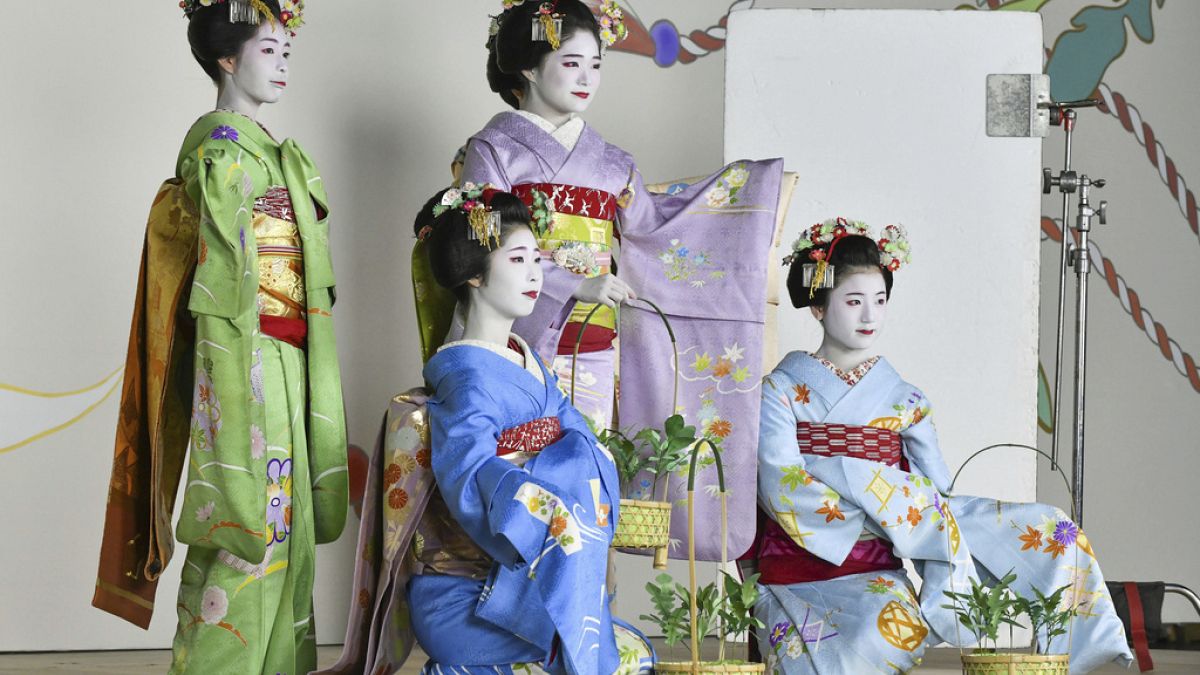
The district of winding alleyways is known for picturesque teahouses, where geisha and their maiko apprentices, wearing traditional kimonos and hair ornaments, perform in dance and music.
In a city known for gorgeous temples and gardens, Gion is one of its most scenic and historical spots. Tourists, armed with cameras, like to wander around the area, hoping to catch the women on their way to a dance class or dinner party.
Complaints about over-zealous tourists began bubbling years ago, though the discontent cooled when the coronavirus pandemic brought a lull in tourism. Now, visitors are back with a frenzy.
Overseas tourist traffic to Japan is rebounding to pre-pandemic levels.
More than 22 million visitors came to Japan last year, eager to take in sushi, electronic gadgetry and the splendours of nature like Mount Fuji and the beaches of Okinawa.
In 2019, incoming travel totalled more than 31 million people - and experts say this year’s number could approach or even overtake that.
It's become too much for many residents of Gion, though.
A few months ago, the local council summarised the less than eager sentiments by proclaiming: “Kyoto is not a theme park.”