

 ADVERTISEMENT
There has been growing discontent in European destinations around the proliferation of Airbnb properties and the disruption this brings to neighbourhoods.
Earlier this year, residents of cities including Rome, Florence and Milan sabotaged key lock boxes in protest against the rental property phenomenon and its tendency to drive up housing prices.
Now, the Italian government has brought in a ban on the self-check-in system citing “public order and safety risks”.
This means guests staying in rental accommodation in Italy, like Airbnb or Booking properties, must now be met in person on arrival by the owners.
Italy bans key boxes for holiday rental properties
The ban on key boxes and keypads was signed off on 18 November and was effective immediately.
However, police and local authorities have only just begun notifying rental platforms and property owners, according to Italian media.
The rule applies to all types of short-term tourist accommodation such as Airbnb and Booking rentals.
The measure was introduced to “prevent public order and safety risks in relation to the possible accommodation of dangerous individuals or those linked to criminal or terrorist organisations”, the Italian interior ministry said.
“The automated management of check-in and entry to a property without visual identification of guests” means there is a risk it “could be occupied by one or more individuals whose identities remain unknown to the relevant police authorities posing a potential danger to the community,” the statement added.
The ministry said the ban was introduced in response to the “intensification of the phenomenon of short-term rentals” resulting from “the numerous political, cultural and religious events scheduled in the country”, including the 2025 Jubilee celebrations in Rome.
What does the ban mean for travellers?
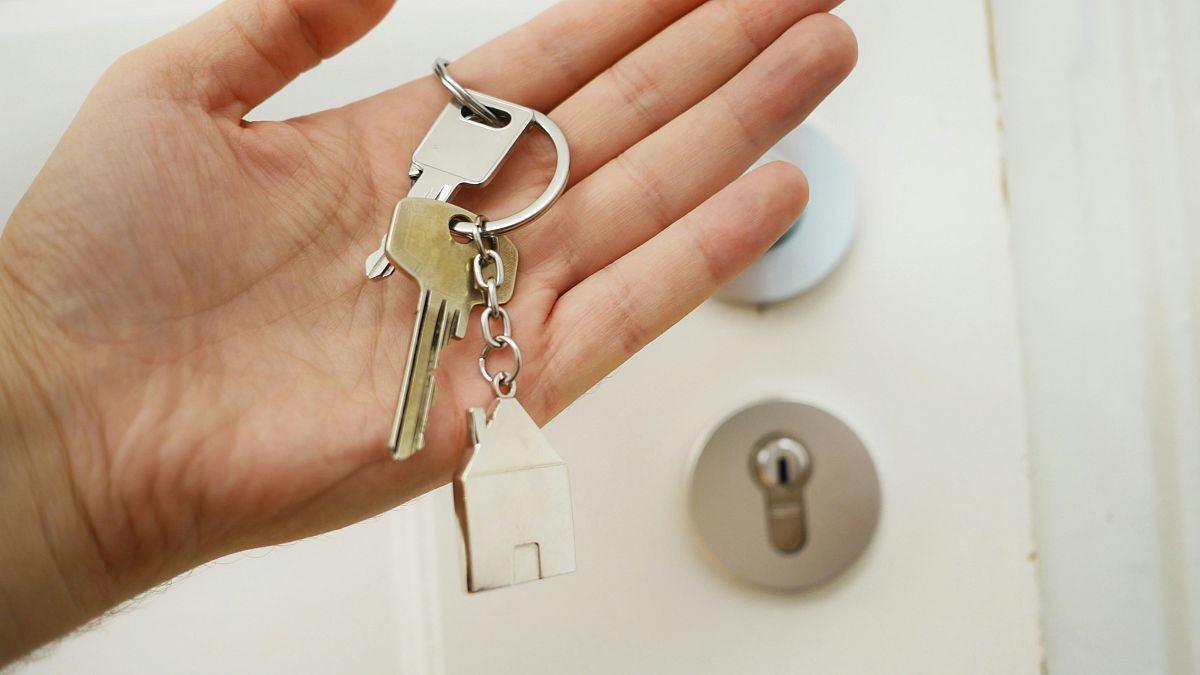
The new ruling means guests can no longer check in to properties independently, such as being provided with a key code to open a lock box.
Instead, rental owners or managers will need to meet guests in person to confirm identity documents and handle the check-in procedures.
Guests’ personal details and identity documents must be sent to police authorities by owners within 24 hours of check-in.
Roberto Gaultieri, the mayor of Rome, praised the ban as "good news for everyone" and welcomed the end of "the padlocks and boxes that disfigure our streets and prevent adequate security checks".
He added that he intends to bring in “suitable intervention methods” to remove all these kinds of devices.