

 ADVERTISEMENT
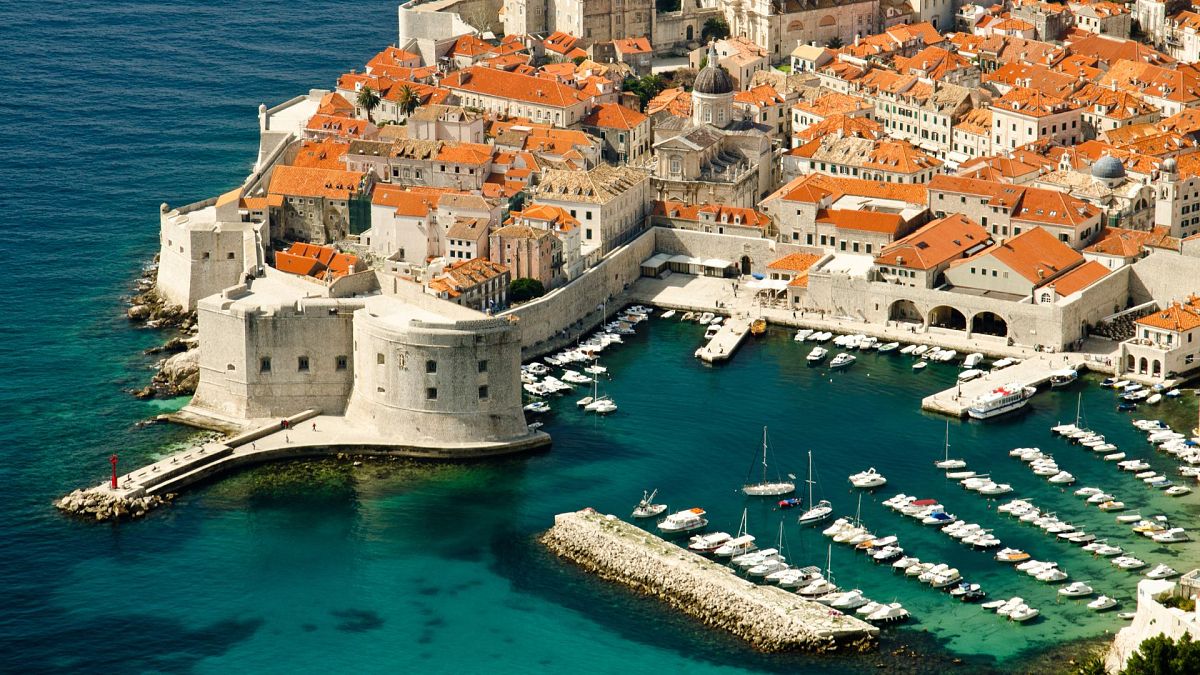
Dubrovnik has found an innovative way to use surging tourist numbers to its advantage by using the revenue earned from popular attractions like the City Walls and the Walls of Ston to fund widespread heritage conservation projects.
Almost half a million people have visited Dubrovnik’s City Walls so far this year, with the Walls of Ston experiencing record numbers of tourists in July as well.
Revenue earned from the ticket entrance sales to these attractions funds the Society of Friends of Dubrovnik Antiquities (DPDS), which is a non-profit organisation which preserves, protects and promotes the cultural heritage of Dubrovnik, especially its city walls.
This is either through direct ticket sales or through the Dubrovnik Pass. While 60 per cent of each ticket goes to the City of Dubrovnik, 40 per cent stays with the DPDS.
Last year, the DPDS earned about €3.6 million from the Dubrovnik Pass and €4.8 million from direct ticket sales, making more than €8 million overall.
After taxes like profit tax and VAT, and other expenses like employee salaries, the society invests all surplus income into preserving and restoring Croatia’s heritage monuments.
One of the biggest monuments being restored at the moment is the Koruna Fortress in Ston, which is likely to open by the start of the tourist season next year. This is one of the most capital-intensive projects currently. Other projects include the refurbishment of the Mala Kuća on Lopud Island, which will become part of the island’s iconic Rector’s Palace.
The Rector’s Palace in Janjina is also being restored and is being prepared to obtain a usage permit and a technical inspection, which is required for the site to be opened to tourist visits.
Funds are split between the development of new strategic projects and the regular maintenance of ongoing projects.
In places facing overtourism, schemes like Dubrovnik’s can go a long way in helping support sustainable tourism and reduce strain on fragile tourist attractions and ecosystems.
Croatia is not alone in this thinking. Back in 2016, the Balearic Islands implemented an eco-tax to counter the negative effects of tourism on fragile island ecosystems in Menorca, Majorca, Formentera and Ibiza.
The revenue from this tax helped fund cultural and historical projects. Despite some travel companies and hoteliers being against this initiative, the Balearic Islands are on track to invest almost €377m in revenue from the eco-tax across 79 sustainability projects this year.
Slovenia also uses tourism revenue to fund ongoing site revitalisation and preservation. This includes revitalisation of parks, renovating castle structures and developing new tourism and cultural products such as themed trails and virtual reality experiences.