

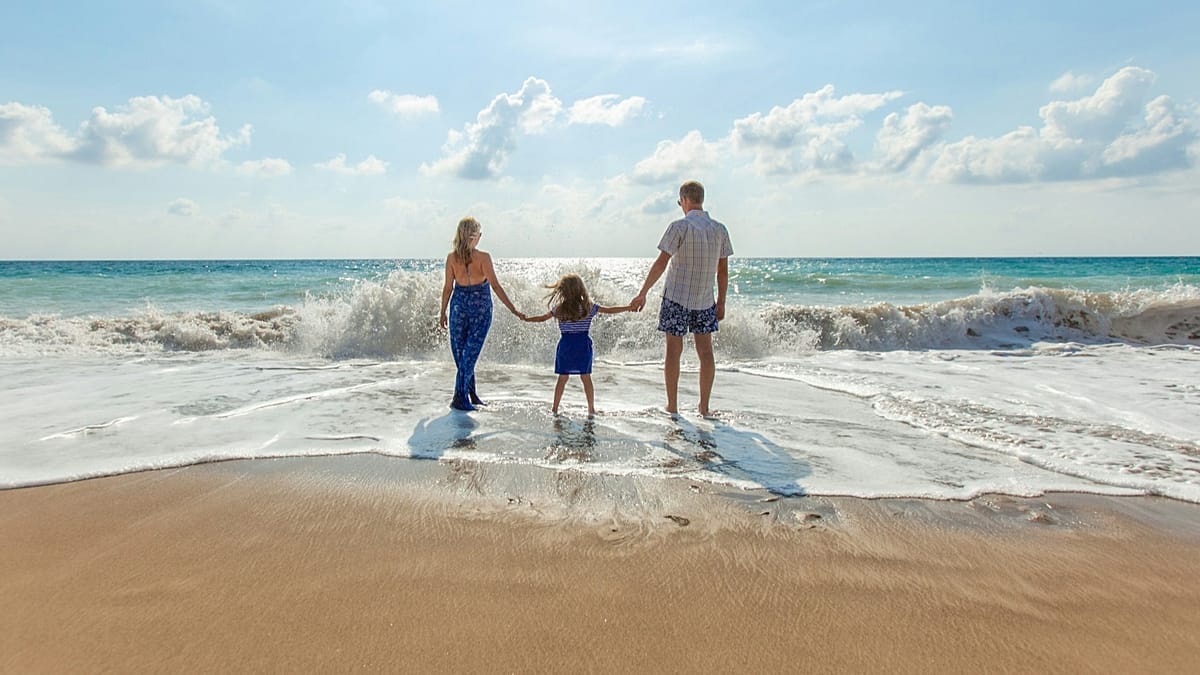
Despite uncertainty due to jet fuel prices, border systems and the impact of conflicts, travel across Europe is showing no signs of slowing down, with holidaymakers increasingly opting for short breaks, family-focused escapes and cooler-weather destinations.
 ADVERTISEMENT
ADVERTISEMENT
ADVERTISEMENT
New data from Trip.com has revealed strong growth in demand for quick getaways of four days or less, while the rise of the "coolcation" continues to reshape travel habits as travellers swap crowded hotspots and soaring temperatures for refreshing alternatives across the continent.
The travel booking platform’s findings also reveal that the second half of 2026 will continue to be a busy travel period, especially as summer continues – and outbound flight bookings from regions including Europe are seeing double-digit growth year-on-year.
These are the European summer travel trends to know now.
Quick getaways are in vogue
Trip’s data shows that speedy escapes are very popular this summer, revealing that the average trip duration of bookings made between June and August ranges from 2.92 days to 3.8 days, with short-haul flights making up the majority.
In Europe, this trend is particularly prominent, as short-haul flight bookings are seeing a year-on-year increase of 73%.
It also appears that travellers are maximising their annual leave by opting for long weekend travel, where they only have to use one or two days of paid time off from work alongside a weekend to make a trip work.
Travelling as a family remains popular
In another recent Trip.com Group survey, it was revealed that travelling with family is seen as the most appealing holiday experience, placing higher than a trip with a partner, friends or solo travel.
That trend is specifically pronounced in the UK and German markets, and among older Millennials – or those aged 35 to 44 years old.
That’s reflected in the latest data, which shows that hotel bookings by families with children aged 12 and below this summer have notably increased.
Travellers are seeking out family-first experiences, which range from selecting convenient flight timings or having family-friendly food and activities nearby in the accommodation they choose.
Hot demand for ‘coolcations’
As global temperatures rise, and vast swathes of Europe are suffering through an ongoing heatwave, it’s little surprise that many travellers are increasingly swapping the sun and sand for cooler weather and activities.
The data shows that there’s been a 74% year-on-year increase in searches for so-called coolcations since the start of the year.
Trip found that search terms including “escape the heat", "summer escapes" and "cool summer retreat" are trending.
Coastal destinations – often several degrees cooler than inland spots – remain popular, but less obvious summer holiday locations including Iceland, Norway, Slovenia, Switzerland and Wales are also seeing far more searches this year than over the same period in 2025.