

 ADVERTISEMENT
While not as heavily visited as some other European countries like Italy, France and Spain, Iceland still sees a lot of visitors at popular attractions such as the Blue Lagoon and the Golden Triangle every year.
These destinations are now facing all too familiar issues with overtourism, such as limited accommodation, traffic congestion, infrastructure strain and environmental damage.
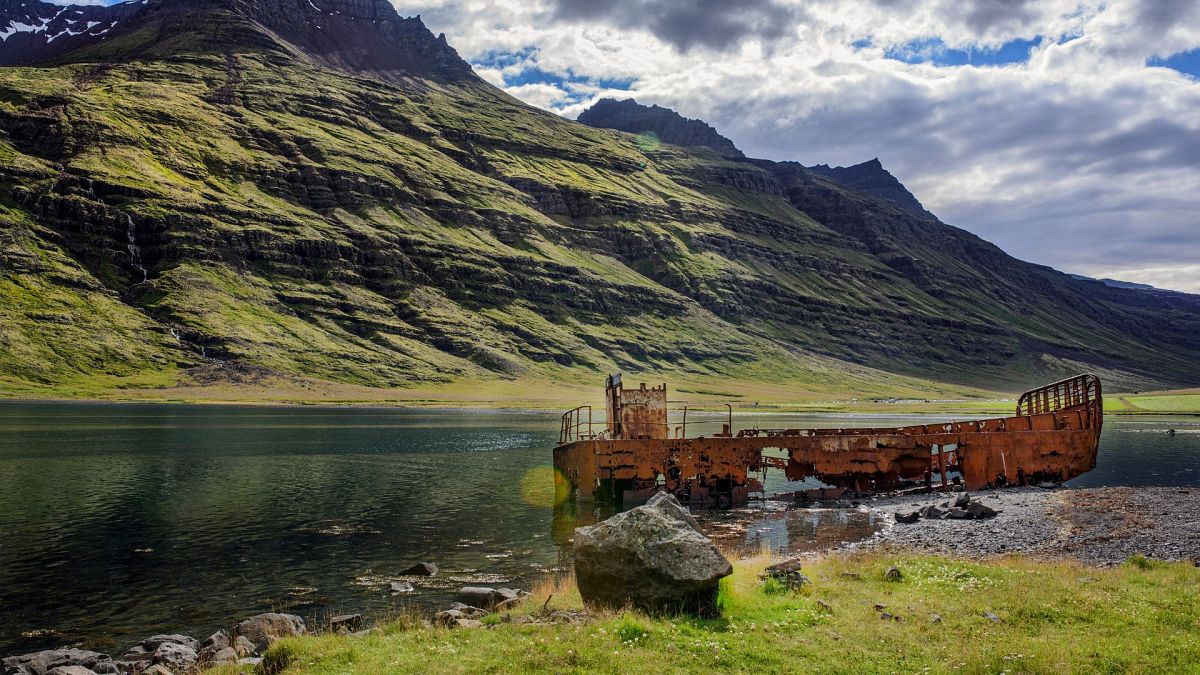
As more travellers seek to avoid the crowds, they are discovering some of Iceland’s more overlooked regions. One such region is the wild and rugged Eastfjords, where travellers can reconnect with nature through dramatic landscapes and abundant wildlife.
Stunning hikes, reindeer and puffin colonies
Despite the vastness of the Eastfjords, including almost 121 kilometres of coastline, from Borgarfjörður Eystri in the north to Berufjörður in the south, it is still one of the most sparsely populated regions in Iceland.
Forget bus tours and endless queues, here tourists have ample opportunities for slow and peaceful travel, as visitors craving solitude soak in the expansiveness.
Hike and kayak along some of Iceland’s most remote fjords such as Mjoifjordur and Leirufjörður, which also provide stunning photography opportunities, with rugged mountains, lush valleys and pristine waters.
Walkers can also explore the Eastfjords' other stunning hiking trails, such as the Hengifoss Waterfall and the Stórurð Boulder Fields or venture into Iceland’s largest forest, the Hallormsstaður Forest.
Soak in the Vök Baths, natural geothermal baths with floating pools or visit the Vestrahorn Mountain for stark landscapes and black sand beaches. Or head further down, to the border of the Southeast region for the Jökulsárlón Glacier Lagoon, complete with icebergs, on which you can take a boat tour.
“East Iceland is far from the crowds, and that’s exactly the point. As one of the most remote regions in Iceland, far from the international airport in Keflavík, it offers a concentrated yet remarkably diverse landscape: dramatic fjords and mountains, peaceful valleys, coastal lowlands, forests, and the Eastern highlands,” says Lilja Sigríður Jónsdóttir, project manager at Visit Austurland.
Marvel at puffin colonies in Hafnarhólmi, Borgarfjörður Eystri, where you might even glimpse other seabirds like fulmars and kittiwakes. With around 10,000 puffin pairs during nesting season, you can get up close and personal with these magnificent birds from the viewing platform and boardwalks. Puffins and historical ruins can also be seen on Papey Island, a short boat ride away from Djúpivogur.
The Eastfjords are also home to Iceland’s only wild reindeer population. They can be seen around Seyðisfjörður, Breiðdalsvík, the eastern part of the Vatnajökull National Park, as well as around Egilsstaðir, the largest town in the Eastfjords. Visit between October and April for the best chances of reindeer viewing.
Other activities include horseback rides, sea angling and ice cave tours.
Sleepy fishing villages and community-led tourism
East Iceland as a whole, along with the Eastfjords, has a very community-led and grassroots approach to tourism that is based on deep appreciation and belief in the region and what it has to offer, according to Jónsdóttir.
This is aimed at encouraging travellers to spend longer in the region and explore more throughout the year, instead of just passing through in summer.
“Instead of competing, local stakeholders collaborate to attract visitors, highlight lesser-known places, and extend the season into autumn and winter. And they have plenty to offer. Gourmet local restaurants, beautiful and varied hotels, hostels, guesthouses and farm stays, along with a wide range of activities. From hiking, biking and horseback riding to skiing, snowshoeing, jeep tours, rib safaris, kayaking and much more,” Jónsdóttir says.
Charming fishing villages hidden in fjords, such as Seyðisfjörður, known for its colourful wooden houses, art centre and multiple hiking trails, attract visitors to the Eastfjords.
Seyðisfjörður has imposed restrictions against fish farming in an attempt to protect these breathtaking environments. Locals have also worked to renovate and preserve historic buildings, instead of replacing them, which helps maintain the town’s unique heritage character.
“The village is lovely, with the colourful rainbow street leading to the Blue Church. Sure, a few international workers aid the tiny community (around 600 people live there throughout the year) in the peak summer season, but tours and attractions remain a local prerogative,” Claudia Tavani, the founder of the My Adventures Across The World travel blog, said in an interview with Euronews Travel.
“You can walk to Tvísöngur, an acoustic art installationSeyðisfjörður also has lovely craft shops where you can buy handknit traditional Icelandic sweaters, and there's even a pub (Kaffi Lara) where you can taste El Grillo, a locally brewed beer.”
Another beautiful fishing village, which offers deep insight into the traditional way of life in the Eastfjords and rare Viking history, is Stöðvarfjörður.
“For travellers craving even deeper solitude, the remote and now-deserted fjords like Loðmundafjörður, Vöðlavík, Húsavík, and Brúnavík offer wild, untouched nature. These areas are dotted with rustic hiking cabins maintained by local Touring Associations, ideal for those who want to disconnect and experience Iceland at its purest,” Jónsdóttir says.
“The Eastfjords vividly show that tourism doesn’t have to be loud or in huge numbers. By focusing on quality over quantity, prioritising local businesses, and protecting local communities and nature, locals are building a model that’s better for everyone - both travellers and locals,” says Jane Iskra, an Iceland elopement and travel photographer.
Family-owned stays, heritage hotels and Icelandic lamb
The Eastfjords boasts several sustainable family-owned guesthouses, farms and stays, along with some iconic heritage hotels.
The Vallanes Organic Farm, a family-run farm just outside Egilsstaðir, is one such example of sustainable hospitality, which has become a pioneer for biodiversity and regenerative agriculture.
“Guests can stay in beautifully designed eco-apartments and tiny houses, built from local wood and natural materials, and powered by renewable energy. Breakfasts feature organic produce from the farm, and visitors are invited to explore the vegetable gardens and learn about Vallanes’ approach to seed saving, crop rotation and soil health. It’s a truly unique place in all of Iceland,” according to Jónsdóttir.
Other family-owned stays include Skorrahestar, a farm stay in Nordfjörður, where guests can hike, ride horses and participate in farm-life activities. Mjóeyri in Reyðarfjörður is another good choice, with various tours, cottages and a restaurant featuring local cuisine.
Similarly, Hotel Breiddalsvik offers a cosy, laid-back vibe, with a fireplace, Finnish-style sauna, local cuisine, Northern Lights wake-up calls, guided hikes and easy access to waterfalls like Beljandi and Flogufoss.
For a different heritage experience, choose Fosshotel Eastfjords in Fáskrúðsfjörður. Housed in historic French fishing buildings and a restored French hospital, this hotel has beautifully restored rooms with vintage interiors. It also has a museum about the area’s French fishing history.
Throughout the Eastfjords, you can tuck into delicious local cuisine such as Icelandic lamb, unique for its distinctive flavour acquired from grazing on herb-dotted mountain slopes, as well as reindeer meat. Fresh cod is also particularly renowned in the Eastfjords.