

 ADVERTISEMENT
Visitors to Italy’s summer hotspot Lake Como are spoilt for choice when it comes to souvenirs, but a can of local air probably isn’t top of their shopping list.
The product has been released by a marketing agency and claims to contain 21 per cent oxygen, 0.93 per cent argon, 0.04 per cent carbon dioxide and a small percentage of nitrogen and neon trapped from the lakeside.
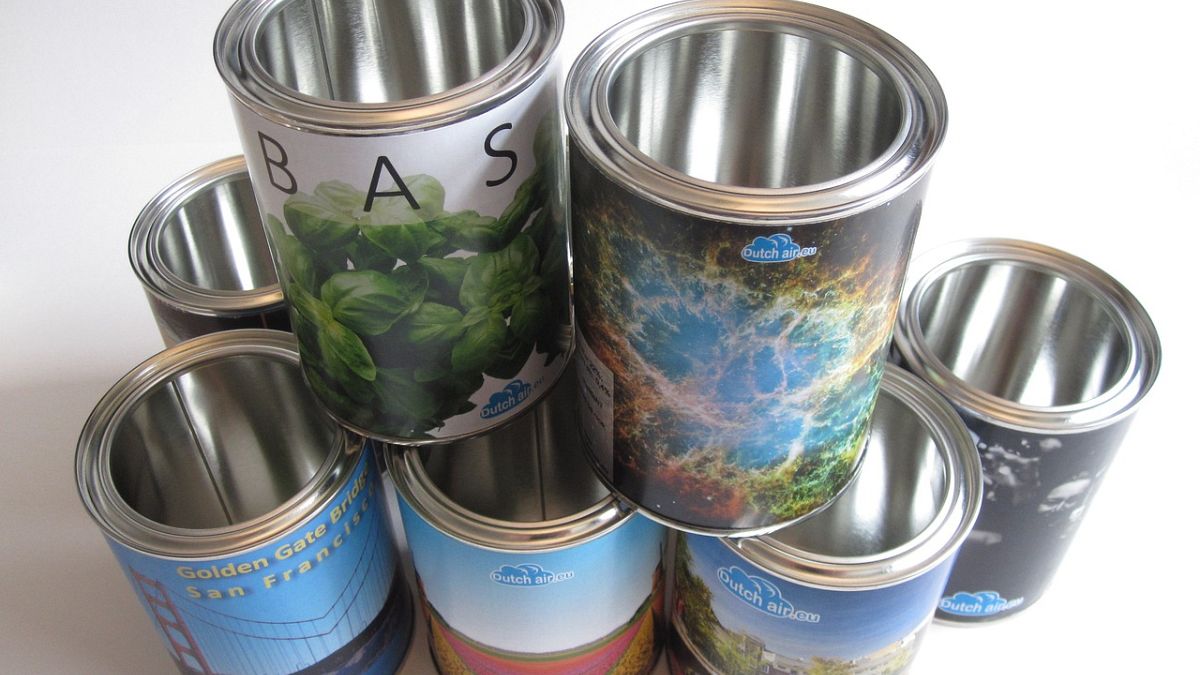
“We thought of encapsulating the lake air in a jar that can then be taken anywhere in the world,” Daniele Abagnale of the agency that curated the project told Italian daily La Repubblica.
“The jar, once opened, becomes a pen holder or a vase and is completely recyclable.”
At nearly €10 a pop, the canned air seems like a blatant marketing stunt - and it’s not an original one.
You can find cans of local air in dozens of places around the world from the Swiss mountains to the Isle of Mann.
So is it one big joke that tourists are buying into or do these air samples hold some value?
The craze of canned air began in the 20th century
Canned air is actually old news in Italy. After WWII, a man called Gennaro Ciaravolo invented ‘Aria di Napoli’.
Ciaravolo recycled empty cans of fooddistributed by US troops following the liberation, claiming to have filled them with the air of the city - and even managed to sell them back to the Americans.
But Ciaravolo’s invention was a pointed social statement and an allegory for the renowned Neapolitan ‘cazzimma’ - the art of being resourceful and making do with what you’ve got.
It was also likely a reference to Marcel Duchamp's conceptual artwork ‘Air de Paris’ from a few decades earlier.
In 1970, Ciaravolo’s grandson continued the irreverent stunt with an exhibition at the Venice Biennale. He displayed fried air from Milan, fog from London’s Carnaby Street and sacred air from Rome.
Canned air as a souvenir
Most canned air sold today is not nearly as witty or esoteric.
The €20 air from the Isle of Man, an island in the Irish Sea, claims to cure homesickness and relieve stress while the air from Altay in China is described as ‘intoxicating’. Tourists can even write on the cans as though they were postcards.
In southern England, an absurd row broke out over a business selling bottles of Cornish air for over €80 that was actually captured in Devon, a different county.
ADVERTISEMENTA company called fattrol has been making a slightly more tongue-in-cheek version. They sell canned air souvenirs from various popular tourist destinations including Athens, Venice, Barcelona and Las Vegas.
Their Tokyo version, for example, claims to contain 10 per cent from locations including the Shibuya Crossing, the Tsukiji Fish Market and the Roppongi Hills.
The producers also say the packaging can withstand a magnitude 9.0 earthquake.
Jokes aside, the trend raises questions about the ethics of producing packaging for a non-existent product, adding to the immense volume of cheap, throw-away trinkets touted to tourists.
ADVERTISEMENTCompanies claim you’re getting a cute tin you can display in your house, but the poor quality cans with uninspiring designs are mostly likely only bought as a silly gift for a friend with no intended sentimental value.
Canned air raises awareness about pollution
There are some less gimmicky examples of canned air too.
In 2016, UK company Aethaer launched a series of containers ‘filled’ with air from one of the five Areas of Outstanding Natural Beauty in the country to raise awareness of air pollution.
The proceeds from the sale of the jars are reportedly invested in creating affordable breathing masks.
ADVERTISEMENTFor several years now, entrepreneurs have been bottling compressed fresh air from places like Canada and Switzerland and selling it to residents in highly polluted areas in China and India.
Vitality, for example, contains air collected from the Canadian Rockies. Containers come with a specially designed spray cap and mask and hold around 160 breaths.
Chief executive of Vitality Moses Lam told the BBC he sees it as the new bottled water.
The verdict from scientists, however, is that bottled air provides few or no health benefits.
ADVERTISEMENT