

Trumps DHS Pay Order Has Workers Paid — But Legal Experts Say The Money Isnt Legally There
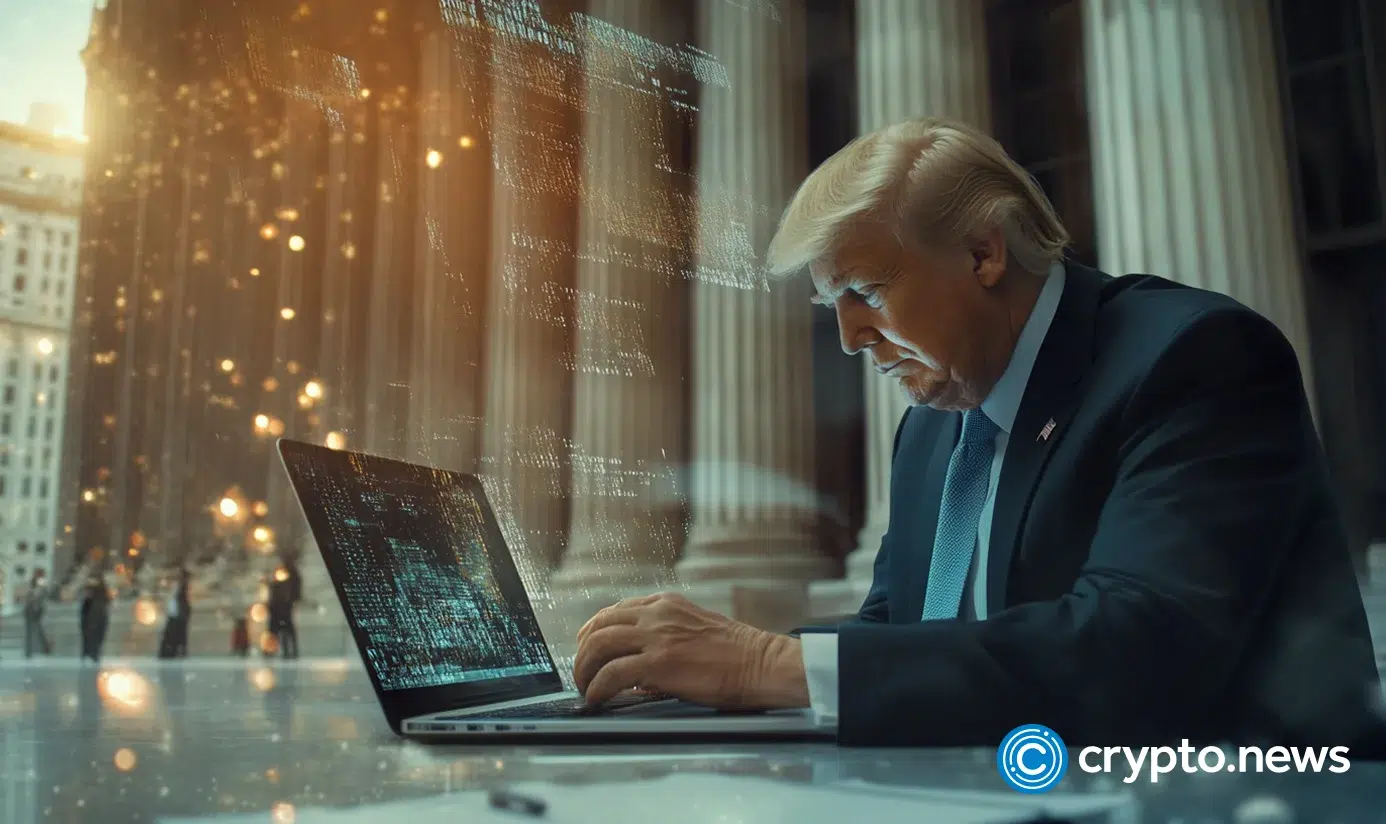
President Trump’s DHS pay order has directed all Department of Homeland Security employees to be paid using redirected federal funds, but legal and budget experts say the administration may be violating a 150-year-old law that gives Congress sole control over federal spending.
Summary
- Trump signed two executive directives — one on March 27 for TSA workers and an expanded memo on April 4 for all DHS employees — directing pay using funds from the One Big Beautiful Bill Act, sidestepping the ongoing partial shutdown
- Legal experts warn the move may conflict with the Antideficiency Act, which bars the executive branch from spending money that Congress has not appropriated for a specific purpose
- The administration has provided no detailed public justification for how it is legally connecting TSA operations to the bill’s DHS border enforcement funds, drawing criticism from budget analysts on both sides
President Trump’s DHS pay order, which directs the Department of Homeland Security to pay all its employees using funds redirected from last year’s One Big Beautiful Bill Act, has put paychecks back in workers’ accounts but opened a serious constitutional question that legal experts say the administration has yet to answer. Trump initially signed a directive on March 27 covering TSA workers, then expanded it on April 4 to include all DHS employees, citing “an emergency situation compromising the Nation’s security.”
The Antideficiency Act, a 150-year-old federal statute, bars the executive branch from spending money that has not been expressly appropriated by Congress for the specific purpose being funded. Trump’s order directed the DHS secretary to use funds with “a reasonable and logical nexus to TSA operations” from the One Big Beautiful Bill Act — a law that allocated $10 billion to DHS for border-related functions, with no specific mention of TSA.
Budget analysts flagged the ambiguity immediately. “The administration’s provided no real clarity about what they’re doing publicly that would allow someone to even figure out whether what they’re doing is legal or not legal,” Devin O’Connor, a senior fellow at the Center on Budget and Policy Priorities, told CNBC. “They haven’t made the case for it in any kind of public way.”
Where the Money Is Coming From — and Why That Matters
Administration officials confirmed the payments are being drawn from the One Big Beautiful Bill’s DHS fund, which gave the secretary discretion to deploy resources supporting DHS’s border mission. Bobby Kogan of the Center for American Progress estimated the cost of funding TSA runs approximately $140 million per week, suggesting the administration could sustain payments for nearly a year before that pool runs dry. But critics note that the bill’s language does not cover TSA, which handles airport security rather than border enforcement, making the legal nexus tenuous.
Senate Majority Leader Thune acknowledged the order as a “short-term solution” that “takes the immediate pressure off,” while noting it does nothing to resolve the underlying standoff between the two chambers.
The Constitutional Fault Line
As crypto.news reported, government shutdowns carry consequences beyond the immediate departments affected — including delays to economic data releases, stalled regulatory activity, and heightened uncertainty across financial markets. The constitutional issue here runs deeper than a funding dispute. Article I of the US Constitution vests the power of the purse exclusively in Congress. Trump’s move to unilaterally pay workers without an active appropriation mirrors actions that have historically invited legal challenge under the Antideficiency Act.
A second broader executive memo on April 4 extended the same approach to every DHS employee, not just TSA, including furloughed workers and those in agencies not obviously connected to the One Big Beautiful Bill’s border funding mandate. As crypto.news noted in its coverage of the DHS shutdown’s earlier market impact, prolonged fiscal uncertainty of this kind tends to weigh on investor sentiment and delay forward guidance from the Federal Reserve.
“America’s air travel system has reached its breaking point,” Trump said in his original March 27 memo. What remains unresolved is whether his chosen remedy is within his legal authority to execute.
Bitcoin Suisse Turns Regulation Into Growth
For much of crypto’s short history, growth was measured in trading volumes, token prices and the number of customers w... Read more
Circle Wins Landmark US Banking Licence
Circle Internet Group has finally secured the regulatory prize it has been chasing for more than a year, with the Office... Read more
Crypto Treasuries Chase A New Kind Of Capital
There is a peculiar irony at the heart of the crypto treasury movement. Companies that staked their futures on digital a... Read more
What Strategy's Bitcoin Sale Really Tells Us
There is a moment in every bull run when the narrative starts to fray. Not with a crash, not with a scandal, but with so... Read more
The Clock Is Ticking On UK Stablecoins
The world is not waiting for Britain to make up its mind. While the United States and the European Union have spent the ... Read more
From Cypherpunk To Citadel
How Crypto Moved from the Wild West to the Mainstream Financial SystemA long-form analysis of Bitcoin's journey from fri... Read more