

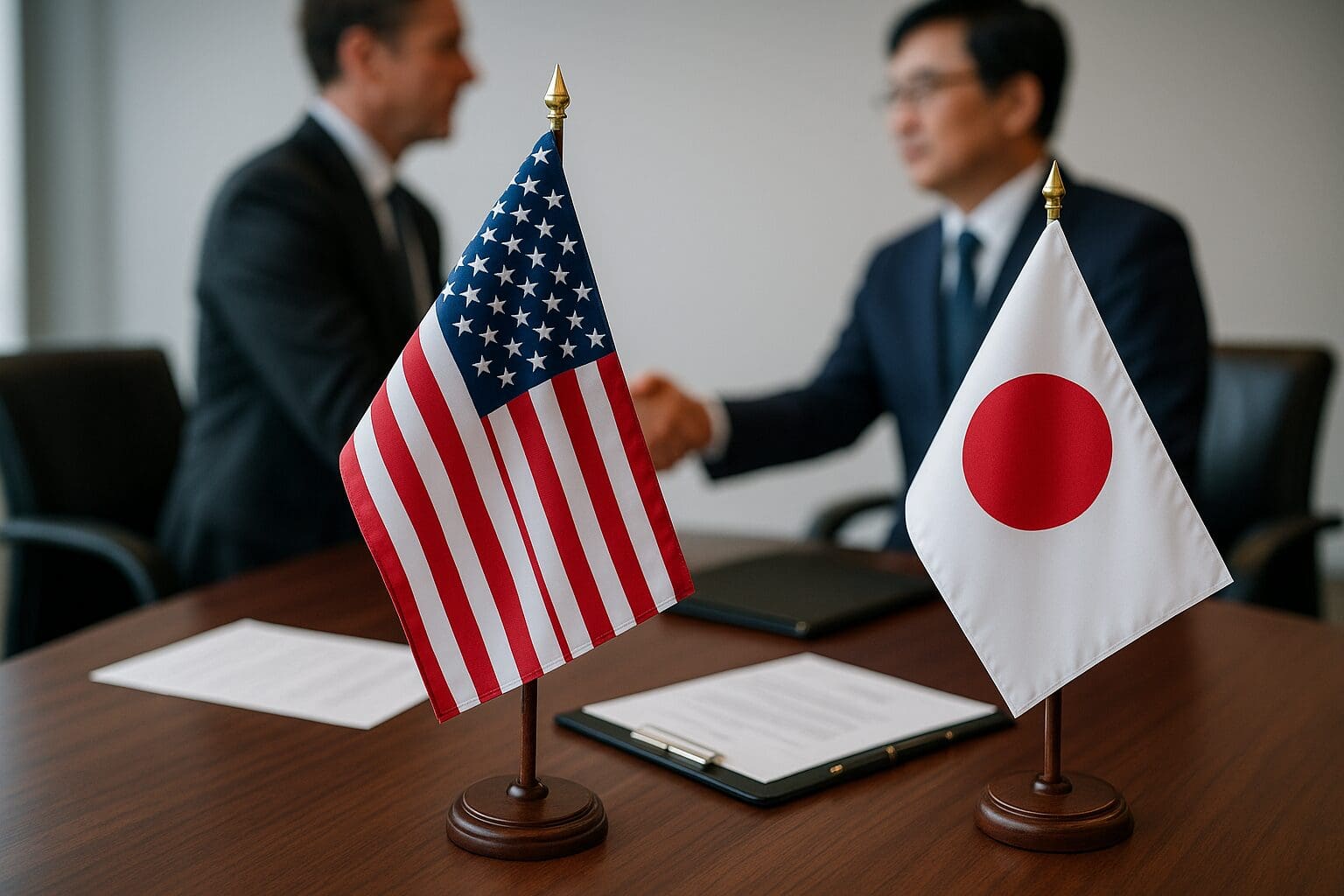

On July 22, the U.S. and Japan finalized a trade agreement that lowers tariffs on Japanese vehicles and parts imported into the U.S. from roughly 25% to 15%. The adjustment comes after months of negotiation and removes uncertainty for automakers that had been planning around steeper costs.
Direct Implications for Supply Chains
Japanese OEMs, most notably Toyota, had been absorbing additional costs to remain competitive in the U.S. market. The tariff reduction relieves some of that pressure and is likely to restore baseline pricing strategies for U.S.-bound exports. Tier 1 and Tier 2 suppliers should expect short-term stability in inbound logistics from Japan, particularly in automotive components and related assemblies.
U.S.-based manufacturers are watching closely. While the change benefits Japanese suppliers, it also puts domestic producers at a relative disadvantage, especially if they continue to face higher input costs or limited trade concessions. That imbalance is already driving new discussions about equity across trade partnerships.
Investment Commitments and Secondary Effects
As part of the deal, Japanese firms are expected to invest more than $500 billion into U.S.-based operations across a range of sectors. This includes commitments in agriculture, aerospace, semiconductors, and infrastructure. For supply chain managers, that influx translates to potential capacity growth and a more diversified sourcing environment inside the U.S.
The agreement has also created momentum for similar talks with the European Union. U.S. and EU negotiators are reportedly discussing a similar 15% tariff structure, which, if implemented, would further align global trade terms and reduce volatility across several key categories.
Operational Takeaways
- OEMs and Suppliers: Japanese automakers will likely recalibrate sourcing and distribution strategies. U.S. suppliers may need to adjust pricing models to remain competitive.
- Policy Watch: EU negotiations will be a key variable. U.S. firms with exposure to European supply lines should monitor those talks closely.
- Investment Timing: The capital inflow from Japan could eventually support improved domestic capacity, but the supply-side impacts will take time to materialize.
Final Note
The U.S.–Japan deal doesn’t resolve every trade imbalance, but it does reduce short-term uncertainty for auto and industrial supply chains. With EU negotiations underway and Asian manufacturing stabilized, companies now have a window to assess cost structures and revisit supplier portfolios with fewer external constraints.