

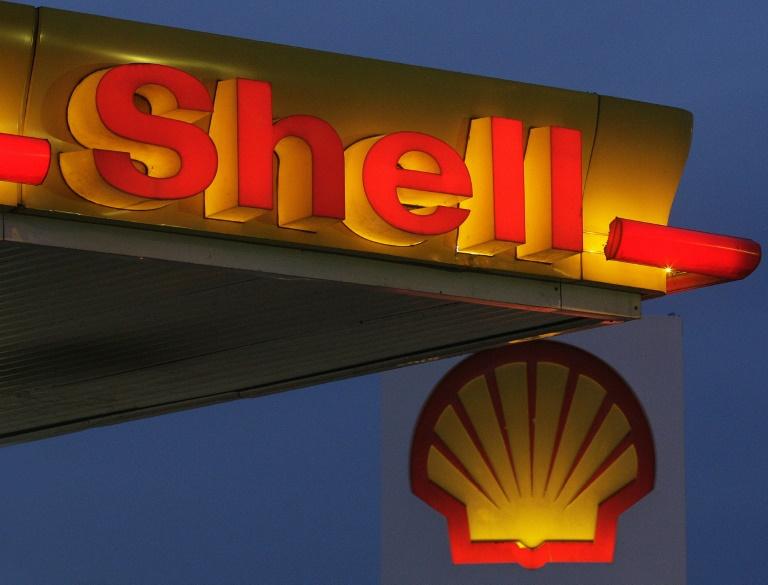
Shareholders in oil giant Shell will vote Friday on plans to switch its headquarters from the Netherlands to Britain after a century and drop Royal Dutch from the name.
Europe's biggest energy firm says the move would simplify its tax and share arrangements, and accelerate its transition to net-zero emissions.
But its chairman also admitted the plan was driven by the Dutch government's scrapping of plans to withdraw a tax on dividends.
The Dutch government said it was "unpleasantly surprised" by the plan, while Britain has hailed it as a vote of confidence in the British economy post-Brexit.
The meeting of shareholders is due to start at 10 am (0900 GMT) in Rotterdam's Ahoy auditorium, which just months ago hosted the Eurovision Song Contest.
They will be voting on plans for Royal Dutch Shell to switch its tax residence and top executives including CEO Ben van Beurden to London.
Because of the Covid-19 pandemic, shareholders have been "strongly" asked to stay away, watch online and vote remotely where possible, a Shell spokesman told AFP.
They may ask questions before the vote but there will be no presentation by Shell officials.
"Shell is proud of its Anglo-Dutch heritage and will continue to be a significant employer with a major presence in the Netherlands," where it has some 8,500 staff, the firm said.
The Netherlands would however suffer a major blow from the loss of its biggest company.
Royal Dutch Shell was formed in 1907 from a merger of Koninklijke Nederlandsche Petroleum Maatschappij and British firm Shell Transport and trading.
The "Shell" name and logo came from seashells imported in the 19th century by the father of Marcus and Samuel Samuel, the brothers who founded the British firm.
But pressure for change has been building, particularly from the activist investor Third Point, which has demanded Shell be broken up, bolster low-carbon investment and return more cash to shareholders.
Shell also suffered a blow earlier this year when a Dutch court ruled that it must slash greenhouse gas emissions, a landmark victory for climate activists.
When it announced the plan to move on November 15, Shell said it would accelerate its "delivery of its strategy to become a net-zero emissions business".
It would also eliminate a dual-nation share structure that held up dividends for shareholders, and simplify its tax arrangements.
However Shell chair Andrew Mackenzie later admitted the company was also "driven to go to the UK" by Dutch Prime Minister Mark Rutte's decision in 2018 to abandon plans to scrap a tax on big companies' dividends.
The tax hit to the country from Shell's departure could amount to billions of euros, local media said.
In return, the Dutch parliament is likely to insist on a "departure tax" that Shell puts at around 400 million euros.
The government even considered going back to parliament to try to scrap the dividends tax to convince Shell to stay, but could not muster support.
Copyright AFP. All rights reserved.