

BlackRock's Panama Deal Shakes Global Trade
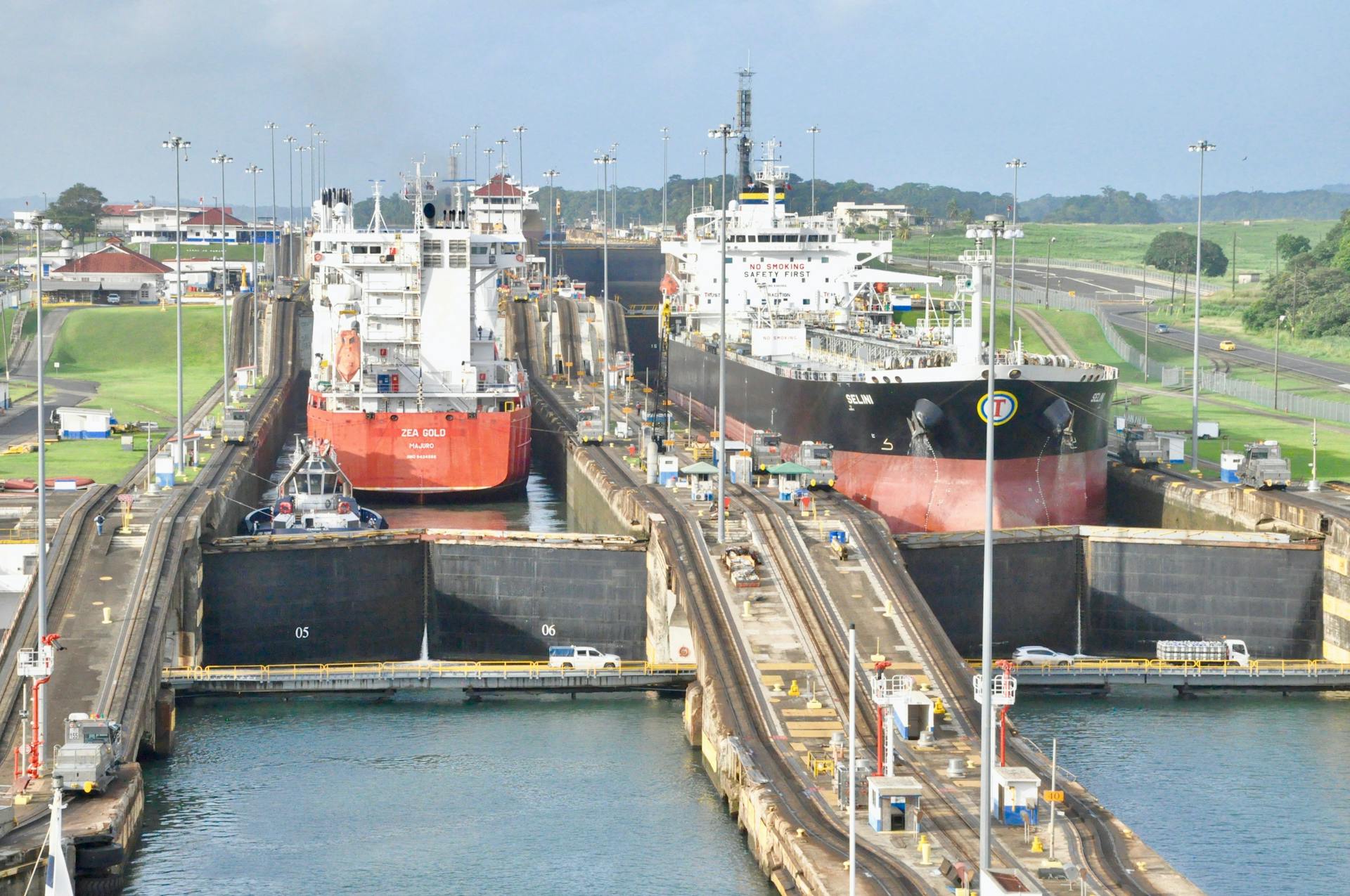
In a bold $22.8 billion move, BlackRock, the world's largest asset manager, has spearheaded a consortium to take control of Panama Ports Company from Hong Kong-based CK Hutchison Holdings. This groundbreaking acquisition covers a commanding 90% stake in the strategically crucial Balboa and Cristobal ports, which form essential gateways at either end of the Panama Canal. The agreement also transfers control of 80% of CK Hutchison's extensive global port operations, spanning 43 ports in 23 countries—though notably excluding China and Hong Kong.
The importance of Balboa and Cristobal ports cannot be overstated. These facilities handle around 4% of global maritime trade, functioning as vital checkpoints for ships crossing between the Atlantic and Pacific Oceans. Any shift in their management has immediate implications for global logistics, making this acquisition headline news for finance professionals globally.
Why This Matters Globally
Geopolitically, this deal represents a seismic shift in influence away from Chinese interests towards American-backed entities. U.S. concerns over China's growing presence in crucial infrastructure have significantly intensified. Senator Ted Cruz notably warned that Chinese control over canal ports posed severe risks to U.S. national security. BlackRock's intervention can therefore be seen as a strategic American counter-move, reducing Chinese influence and directly aligning with broader U.S. interests in maintaining control over vital trade routes.
This acquisition arrives shortly after Panama exited China's Belt and Road Initiative following diplomatic pressure from the U.S., symbolized by U.S. Secretary of State Marco Rubio’s high-profile visit to Panama. In response, Beijing expressed clear dissatisfaction, indicating further tensions ahead.
Economic Impact on CK Hutchison
CK Hutchison, under the leadership of renowned tycoon Li Ka-shing, will receive a substantial cash injection of approximately $19 billion from this transaction. While the company loses its foothold in many international ports, this considerable liquidity can bolster its financial health and pivot resources towards new strategic ventures. Analysts view this divestment as CK Hutchison realigning its global strategy, perhaps indicating broader shifts in the company's investment focus amid geopolitical uncertainties.
Long-Term Benefits for Panama
For Panama, the deal is potentially transformative. The country stands poised to reap significant economic benefits. Key among these are massive infrastructure investments, improved efficiency, and an increase in overall trade through the canal. The consortium led by BlackRock, including Global Infrastructure Partners (GIP) and Terminal Investment Limited (TIL), brings substantial expertise in infrastructure management. Their involvement could lead to significant technological upgrades, automation advancements, and sustainable development, positioning Panama as a more competitive player in global maritime logistics.
Moreover, port improvements would drastically enhance Panama’s status as a global logistics hub, directly increasing canal traffic and associated revenue. Analysts predict that such upgrades could boost canal throughput by as much as 10% over the next decade, cementing Panama's critical role in global supply chains.
Economic and Social Ripple Effects
On the employment front, this deal is expected to generate thousands of direct and indirect job opportunities. Significant construction projects, ongoing operational expansions, and increased trade activity promise to reduce Panama’s unemployment rate from its current 9.8%. Additionally, the presence of global partners could lead to robust training and skill development initiatives, upgrading local expertise in logistics management and technical roles.
Moreover, enhanced port operations may attract further international investment, diversifying Panama's economy beyond its traditional reliance on banking and canal revenues. Special economic zones could flourish around upgraded ports, drawing in manufacturing, technology, and renewable energy investments.
Geopolitical Advantage
From a geopolitical standpoint, Panama emerges as a beneficiary of reduced U.S.-China tensions in its territory. By aligning its infrastructure management with U.S. interests, Panama positions itself advantageously for future diplomatic and economic support. Access to American-led initiatives, such as the Americas Partnership for Economic Prosperity, becomes increasingly viable, potentially unlocking funding and further infrastructural developments.
Risks and Controversies
Despite clear economic benefits, critics argue the deal risks placing Panama’s critical national infrastructure too heavily under foreign control, especially by entities closely aligned with U.S. strategic interests. Questions about sovereignty, control of crucial logistics infrastructure, and potential dependency on foreign operators remain unresolved.
Some voices in Panama fear that over-reliance on BlackRock and its partners could constrain Panama’s flexibility in international relations and domestic economic planning. Balancing foreign investment benefits with national sovereignty will be a critical challenge for Panama’s leaders moving forward.
What's Next?
The immediate step is regulatory approval, expected to conclude by April 2, 2025. Upon approval, BlackRock and its consortium will likely begin rapidly deploying capital and technology into port upgrades. This period will also test Panama’s ability to negotiate beneficial terms, securing profit-sharing agreements or enhanced tax revenues to ensure substantial local economic returns.
Longer-term, watch closely for Panama’s alignment with U.S. geopolitical strategies and its implications for wider regional stability and trade dynamics. How China responds strategically—economically or diplomatically—will also significantly influence the evolving global maritime landscape.
For financial observers globally, this deal underscores the increasingly intertwined nature of infrastructure investment, geopolitical rivalry, and economic strategy. It’s a dramatic reminder of how corporate deals can reshape global trade dynamics virtually overnight.
Meta Rises On The Back Of Connect
Meta’s AI Moment: Can Muse Justify the Bill?There are moments in the market when investors stop asking whether a compa... Read more
A Buyout Of Another British Fintech
Monzo and Nubank: A Marriage of Digital Banking AmbitionMonzo’s reported discussions with Brazil’s Nubank have the p... Read more
Major Players In Crypto Hacked
Crypto's Billion-Dollar Blind Spot: Inside the Bitget Heist and the Revolut Extortion PlotThere is a particular kind of ... Read more
Does The West Have A Problem With Government Bonds
If you have been following the financial pages over the past few weeks, one theme has begun to stand out from the usual ... Read more
Meta Faces Its Big Tobacco Moment
For years, the largest social media companies have faced accusations that their platforms damage young people. They have... Read more
Sequencing Resilience: Defining A New Category
Why the industry must treat Retirement Portfolio Resilience as a distinct allocation alongside retirement income solutio... Read more