

Alphabets Revenue Surge Defies AI Disruption, Fueled By Cloud Computing Growth
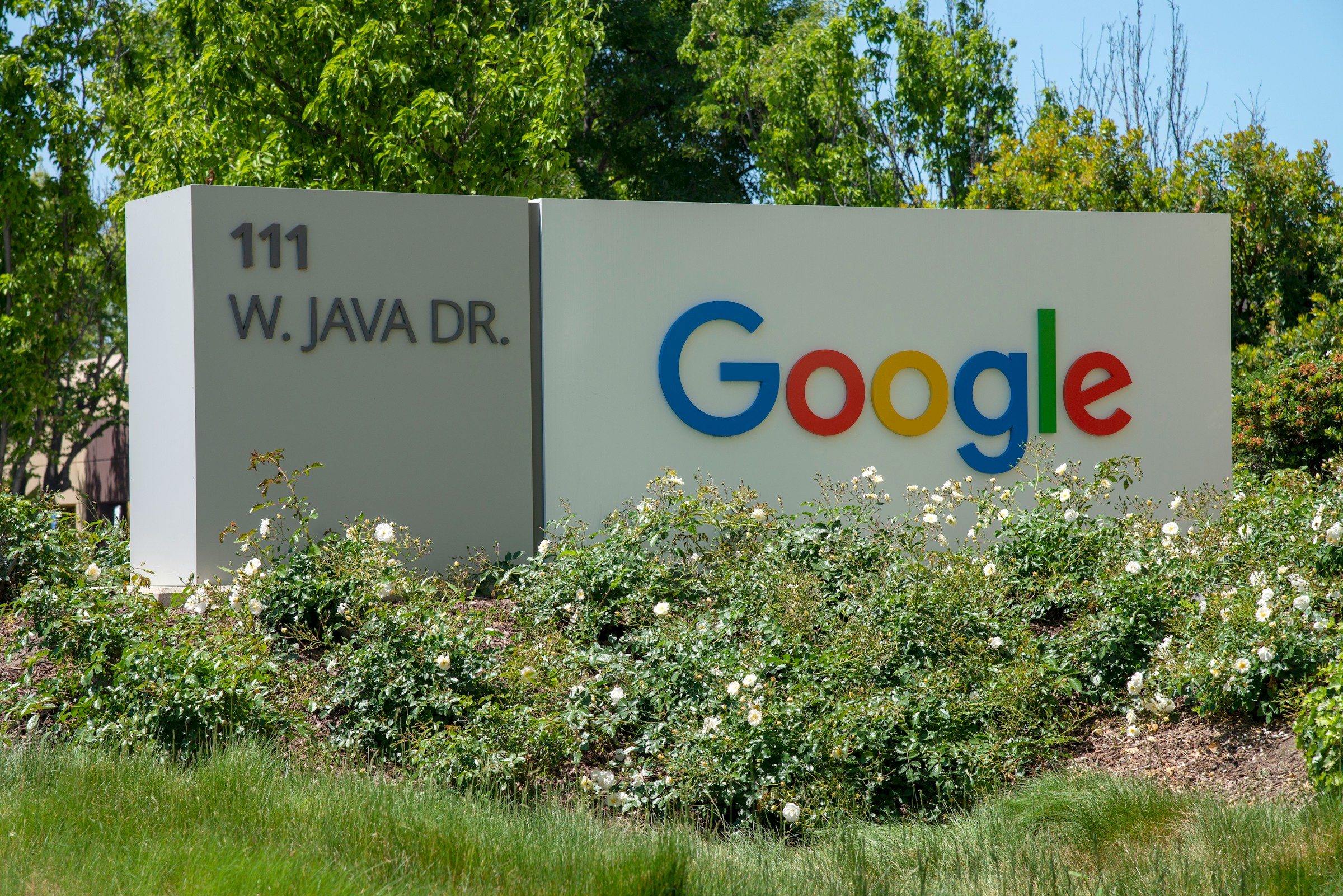
Alphabet Inc., the parent company of Google, reported a robust 14% increase in revenue for the second quarter of the year, showcasing the resilience of its search business despite the advent of artificial intelligence (AI) technologies. The company's strong performance in cloud computing further underscores the surging demand for data services as enterprises and startups alike race to integrate AI into their operations.
Revenue Highlights
For the quarter ending in June, Alphabet's revenue climbed to $84.7 billion, surpassing the average analyst forecast of $84.2 billion. This growth marks a significant leap from the $74.6 billion reported in the same period last year. Net income also saw a notable rise, increasing by 28% to $23.6 billion, slightly exceeding market expectations.
"These results reflect tremendous ongoing momentum in search and significant progress in our cloud division, with our AI initiatives driving new growth avenues," said Sundar Pichai, Alphabet's CEO. Pichai has faced scrutiny for the perceived slow pace in commercializing large-language model technologies, initially developed by Google researchers but popularized by OpenAI’s ChatGPT, backed by Microsoft's $13 billion investment.
Advertising and Cloud Computing
Google’s core advertising revenue, which constitutes the bulk of Alphabet's earnings, rose by 11% to $64.6 billion, aligning with consensus estimates. This growth, however, represents a slowdown from the previous quarter, raising some concerns among analysts. On the other hand, YouTube’s ad revenue grew by 13% to $8.7 billion, while Google Cloud services saw an impressive 29% increase, reaching $10.3 billion.
Despite these gains, Jefferies analyst Brent Thill noted that the earnings lacked the broad-based outperformance seen in the first quarter. "The results were not as convincing as in Q1," Thill commented, highlighting the absence of significant surprises.
Stock Performance and Market Position
Alphabet's stock, which exhibited volatility in after-hours trading, has appreciated by nearly a third this year. This surge has elevated its market capitalization to $2.26 trillion, securing its position as the fourth most valuable publicly traded company globally, behind Apple, Microsoft, and Nvidia.
Strategic Investments in AI
Alphabet’s capital expenditure for the quarter soared to $13 billion, a $1 billion increase from the prior quarter and nearly double the $6.9 billion spent in the same period last year. This uptick reflects Alphabet’s aggressive investment in data centers, AI chips, and the development of its AI product suite, Gemini.
"We are at the early stages of a transformative era," Pichai explained. "In technology, underinvesting during such transitions poses a far greater risk than overinvesting. Not positioning ourselves at the forefront could have significant downsides."
Pichai also emphasized that Google’s generative AI services are already generating "billions" in new revenue and are being utilized by 2 million developers. Nonetheless, the company’s initial efforts to incorporate AI into its products faced challenges, including erroneous AI-generated search results that attracted public criticism.
Abandoned Acquisition and Future Outlook
Just a day before releasing its earnings report, Alphabet announced the termination of its proposed $23 billion acquisition of Israeli cybersecurity firm Wiz. This deal would have been Alphabet’s largest acquisition to date. The decision to abandon the acquisition was influenced by concerns over obtaining approval from U.S. antitrust regulators, according to sources cited by the Financial Times.
Alphabet's CFO, Ruth Porat, did not elaborate on the failed acquisition but stated that the company would continue to explore opportunities to diversify its portfolio, provided they meet the right criteria, including value.
"Regulatory scrutiny is not new to us," Porat noted. "We have successfully navigated regulatory reviews for numerous large deals in the past."
In addition to its earnings report, Alphabet announced a second-quarter dividend of 20 cents per share, totalling approximately $2.5 billion. This follows the company’s inaugural dividend earlier this year, marking a departure from its previous policy of returning capital solely through share buybacks.
Porat also revealed that Google plans to invest an additional $5 billion in its self-driving taxi service, Waymo, which has recently expanded its operations to Phoenix, Los Angeles, and Austin from its initial base in San Francisco.
Alphabet's robust second-quarter performance highlights the company's ability to sustain growth in its core advertising business while capitalizing on the burgeoning demand for cloud computing and AI technologies. As Alphabet continues to invest heavily in AI and other strategic areas, it remains well-positioned to navigate the evolving technological landscape and maintain its competitive edge.
Meta Rises On The Back Of Connect
Meta’s AI Moment: Can Muse Justify the Bill?There are moments in the market when investors stop asking whether a compa... Read more
A Buyout Of Another British Fintech
Monzo and Nubank: A Marriage of Digital Banking AmbitionMonzo’s reported discussions with Brazil’s Nubank have the p... Read more
Major Players In Crypto Hacked
Crypto's Billion-Dollar Blind Spot: Inside the Bitget Heist and the Revolut Extortion PlotThere is a particular kind of ... Read more
Does The West Have A Problem With Government Bonds
If you have been following the financial pages over the past few weeks, one theme has begun to stand out from the usual ... Read more
Meta Faces Its Big Tobacco Moment
For years, the largest social media companies have faced accusations that their platforms damage young people. They have... Read more
Sequencing Resilience: Defining A New Category
Why the industry must treat Retirement Portfolio Resilience as a distinct allocation alongside retirement income solutio... Read more