

Alibaba To Up AI Investment Over Next Three Years
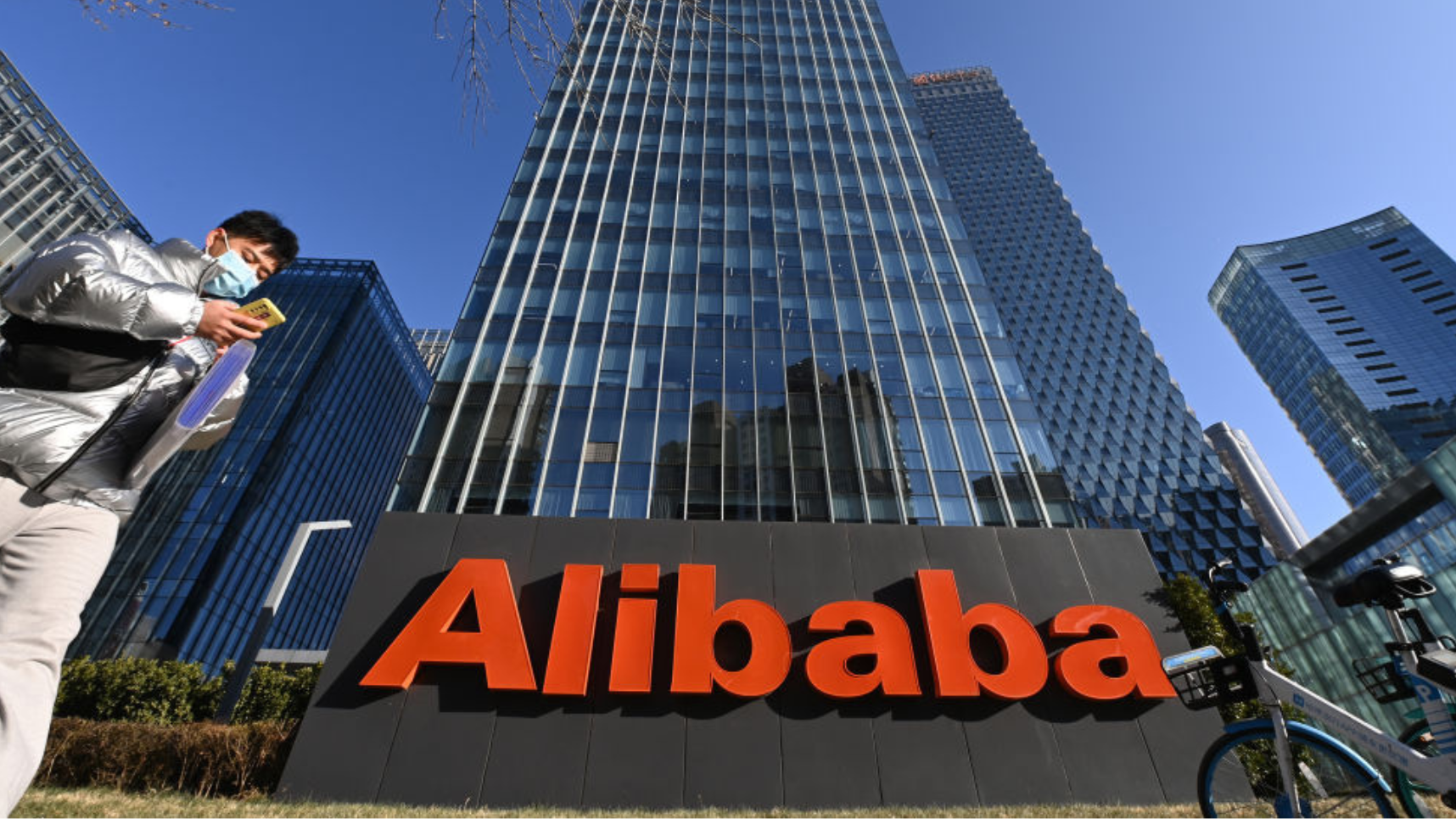
Chinese tech giant Alibaba has announced plans to ramp up investment in artificial intelligence (AI) over the next three years, aiming to gain ground in the fast-evolving sector. The company’s chief executive, Eddie Wu, said on Thursday that Alibaba would pour more money into cloud and AI infrastructure during this period than it had invested in the past decade. However, Wu did not specify the exact sum to be spent.
In 2024 alone, Alibaba’s capital expenditure reached Rmb72.5bn (£8bn), a sharp rise from Rmb24bn (£2.6bn) the previous year. This surge in spending reflects the group’s growing focus on acquiring processors and infrastructure essential for training advanced AI models. Wu emphasised that the company's "primary objective" is to develop artificial general intelligence (AGI), a form of AI capable of human-like critical thinking. He added that Alibaba is preparing to launch a deep reasoning model to compete with similar offerings from China’s DeepSeek and US-based OpenAI.
The decision to increase AI investment coincides with Alibaba’s strongest quarterly performance in over a year. The company reported an 8% rise in revenue to Rmb280bn (£31.5bn) in the final quarter of 2024. Revenue from its cloud computing division climbed 13% to Rmb31.7bn (£3.6bn), driving Alibaba’s shares up by more than 9% in US pre-market trading. Overall, the company’s stock price has soared by over 50% since the start of the year, buoyed by a wave of enthusiasm surrounding AI advancements led by DeepSeek and a strategic partnership with Apple to integrate AI features into iPhones sold in China.
Investor confidence has also been bolstered by the return of Alibaba co-founder Jack Ma, whose presence at a recent meeting of top Chinese entrepreneurs, hosted by President Xi Jinping, signalled his renewed acceptance by the government. Ma’s return marks a turning point after a government crackdown on the tech sector that began in 2020.
Alibaba’s international ecommerce business posted strong growth, with sales rising 32% to Rmb37.8bn (£4.2bn), largely due to the success of its AliExpress platform, which competes with the likes of Temu. Meanwhile, domestic ecommerce revenue increased 5% to Rmb136bn (£15.3bn), supported by merchant fees on the company’s leading platforms, Taobao and Tmall. Li Chengdong, founder of the ecommerce think tank Haitun, said Alibaba had succeeded in stabilising its domestic business after a period of declining sales.
To cement its position in AI, Alibaba has been backing Chinese AI start-ups such as Moonshot and 01.ai, seeking to harness their expertise and gain a competitive advantage over rivals like Baidu and ByteDance. Over the past 18 months, the company has also open-sourced several large language models to attract developers to its cloud platform.
Despite its progress, Alibaba faces fierce competition from other Chinese tech giants, including Huawei. Charlie Dai, principal analyst at Forrester, noted that long-term success in AI will depend on strong research and development capabilities, with Alibaba, Baidu, Tencent, and Huawei all poised to benefit as AI adoption grows across industries.
Meta Rises On The Back Of Connect
Meta’s AI Moment: Can Muse Justify the Bill?There are moments in the market when investors stop asking whether a compa... Read more
A Buyout Of Another British Fintech
Monzo and Nubank: A Marriage of Digital Banking AmbitionMonzo’s reported discussions with Brazil’s Nubank have the p... Read more
Major Players In Crypto Hacked
Crypto's Billion-Dollar Blind Spot: Inside the Bitget Heist and the Revolut Extortion PlotThere is a particular kind of ... Read more
Does The West Have A Problem With Government Bonds
If you have been following the financial pages over the past few weeks, one theme has begun to stand out from the usual ... Read more
Meta Faces Its Big Tobacco Moment
For years, the largest social media companies have faced accusations that their platforms damage young people. They have... Read more
Sequencing Resilience: Defining A New Category
Why the industry must treat Retirement Portfolio Resilience as a distinct allocation alongside retirement income solutio... Read more